Best Smart Home Gadgets of 2025: Which Devices Are Truly Worth Buying?
The Best Smart Home Gadgets of 2025: Which Devices Are Truly Worth Buying? represent the latest innovations in home automation. This year, smart devices not only simplify daily routines but also enhance security, energy efficiency, and convenience. Homeowners can integrate lighting, appliances, and climate control with voice assistants or mobile apps. The gadgets combine cutting-edge technology with practical utility, offering solutions that are both user-friendly and high-performing. From AI-powered assistants to advanced security systems, these devices redefine how we interact with our homes. At Trendiginews , we provide a comprehensive review of this topic
.
Smart Home Assistants Leading the Market in 2025
They now predict user needs based on daily habits and integrate seamlessly with other smart devices. Devices like the latest versions of Amazon Echo and Google Nest Hub provide real-time updates on weather, energy usage, and security alerts. Their AI algorithms allow personalized routines that adjust lighting, temperature, and even music preferences automatically. These assistants also support multiple users, ensuring family members can access tailored functionalities without conflicts. Security features now include voice recognition and encrypted cloud storage for personal data.
–
Integration Capabilities of Modern Smart Assistants
Modern smart assistants connect with over 50,000 smart home devices from various brands. They unify the ecosystem, reducing the need for multiple apps. For example, you can control smart lights, thermostats, and security cameras from a single interface. Compatibility extends to older appliances with smart plugs, creating a fully connected environment. This integration also supports automation triggers, such as turning off lights when no motion is detected or adjusting the thermostat based on outside temperature.
.
Smart Lighting Systems Transforming Homes
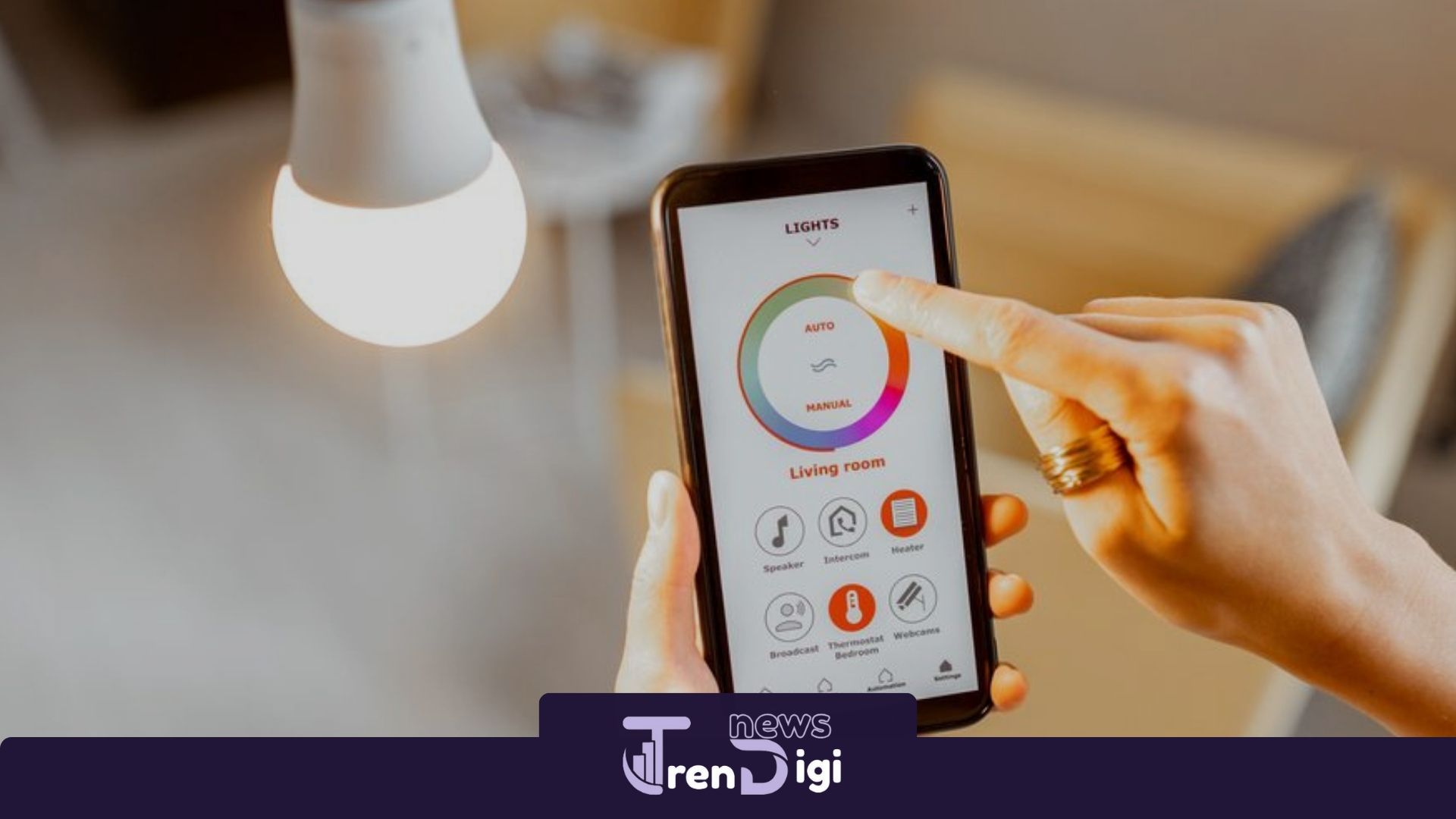
LED bulbs now feature AI-driven color adjustments that sync with your mood or the time of day. Users can schedule lights to turn on gradually to simulate sunrise or adjust brightness automatically for reading, cooking, or relaxing. These systems integrate with motion sensors, cameras, and assistants for a comprehensive automated experience. Homeowners can also monitor energy usage and receive notifications when devices draw excessive power. Smart lighting enhances both security and ambiance simultaneously. Smartphones 2025: Full Review of Cameras, Battery, and New Features
–
Popular Smart Lighting Options
The latest models from Philips Hue, LIFX, and Nanoleaf lead the market. Philips Hue now supports ultra-low latency for real-time control. LIFX offers bulbs with built-in Wi-Fi, removing the need for hubs. Nanoleaf panels provide modular designs that can change shape and color, offering both decorative and functional lighting. These systems also integrate with home assistants for voice control, scheduling, and scene setting.
.
Advanced Smart Thermostats for 2025
Smart thermostats in 2025 focus on energy efficiency, comfort, and predictive behavior. Devices like the Nest Thermostat and Ecobee SmartThermostat adjust heating and cooling based on patterns, occupancy, and even weather forecasts. They connect to smartphones for remote control and send alerts when unusual energy consumption occurs. AI-driven systems can lower utility bills by learning daily routines, ensuring the home is always comfortable without wasting energy. Integration with solar panels and energy storage solutions further enhances efficiency.
–
Features That Set Thermostats Apart
Modern thermostats offer adaptive scheduling, geofencing, and multi-zone control. Adaptive scheduling learns how long it takes to reach desired temperatures and adjusts accordingly. Geofencing detects when users leave or return home, activating systems automatically. Multi-zone control allows precise climate settings for different rooms, improving comfort and saving energy. Advanced thermostats also provide detailed energy reports, helping homeowners optimize usage over time. Smartwatches and Fitness Bands : Comparing Performance, Battery, and Health Features
.
Home Security Gadgets Gaining Popularity
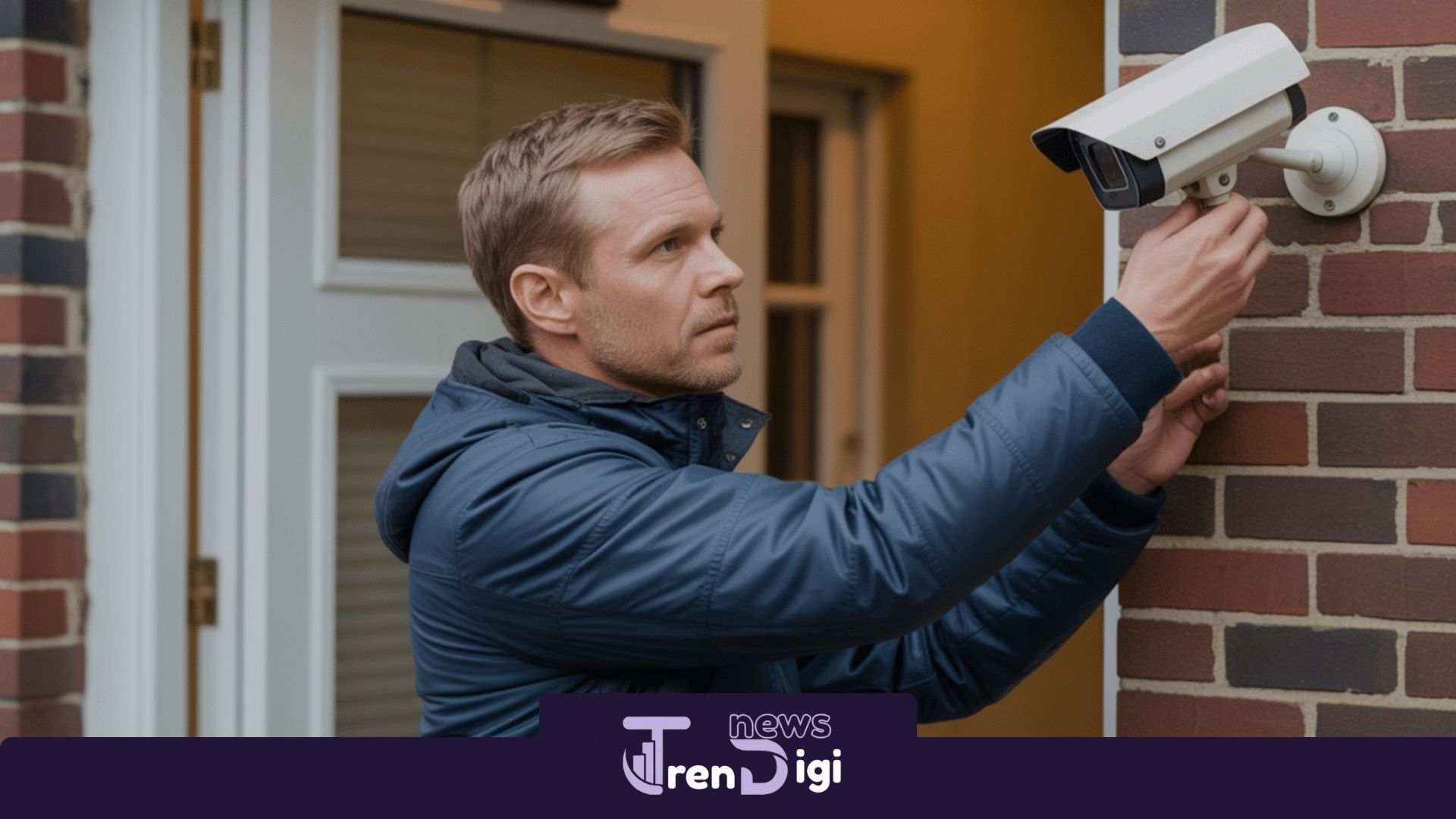
Smart security gadgets are essential in 2025 for protecting property and loved ones. Cameras, doorbells, and sensors now feature AI-powered detection to differentiate between humans, pets, and vehicles. Alerts are sent in real-time, allowing homeowners to respond immediately via apps. Devices like Ring Video Doorbell 4 and Arlo Ultra 4K cameras include cloud storage and encrypted access for enhanced privacy. Motion-activated lighting and alarm integration further strengthen security measures. These gadgets create a safer home environment while remaining unobtrusive and easy to manage.
–
Key Security Features to Consider
Top features include facial recognition, two-way audio, and 360-degree coverage. Facial recognition allows personalized alerts and automates access control. Two-way audio enables direct communication with visitors or intruders. Cameras with 360-degree coverage reduce blind spots and improve monitoring efficiency. Many devices now support local storage options alongside cloud storage, ensuring data remains accessible even during internet outages. Integration with smart locks completes the security ecosystem for a fully connected home.
.
Innovative Smart Kitchen Gadgets
Smart kitchen gadgets in 2025 focus on convenience, precision, and energy savings. Smart refrigerators now monitor expiration dates, suggest recipes, and even reorder groceries automatically. Devices like smart ovens and multicookers provide guided cooking with exact temperature and timing adjustments. AI-powered coffee makers customize beverages based on user preferences. These gadgets save time, reduce food waste, and enhance culinary creativity. Connectivity allows control from smartphones or voice commands, streamlining kitchen tasks efficiently.
–
Smart Appliances Improving Daily Cooking
ovens, microwaves, and sous-vide machines now include Wi-Fi or Bluetooth connectivity. These appliances allow remote monitoring and control, ensuring cooking precision. Some models include integrated cameras for checking food progress without opening the door. Recipe apps sync directly with appliances, adjusting settings automatically. Energy-efficient models reduce electricity consumption while maintaining consistent results. These innovations transform cooking into a more accurate and enjoyable experience.
.
Smart Home Entertainment Systems
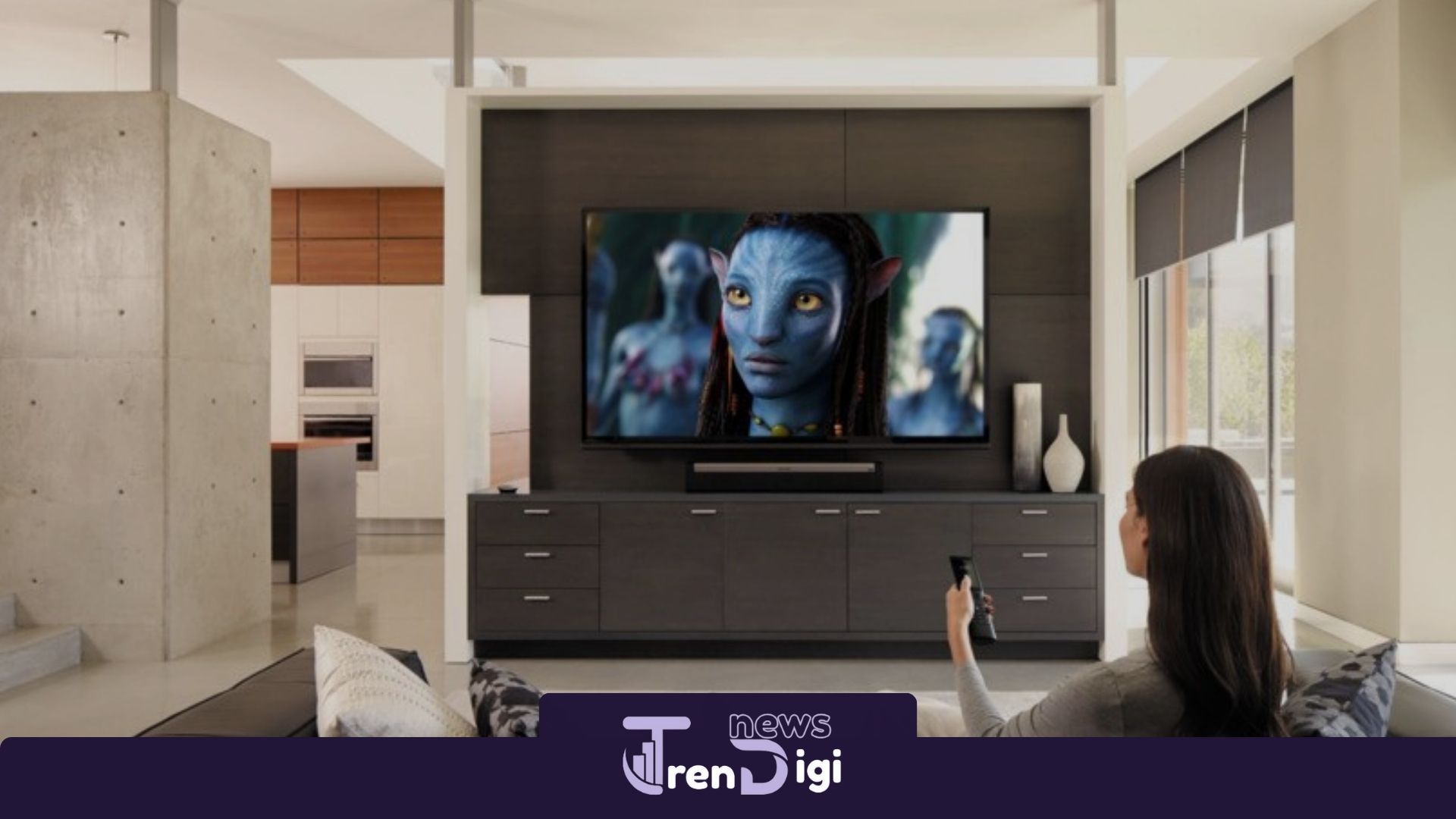
home entertainment systems in 2025 focus on immersive experiences and seamless connectivity. Devices include 8K televisions, multi-room speakers, and AI-driven streaming assistants. Systems like Sonos, Samsung QLED, and LG OLED integrate voice control and adaptive sound technologies. Users can control all entertainment devices via a single app or assistant, creating a centralized experience. AI algorithms recommend content based on preferences, while smart projectors and lighting sync with media for cinematic effects. These systems elevate home entertainment to new levels of personalization and quality.
–
Smart Speakers and Multi-Room Audio
Multi-room audio systems allow synchronized music playback throughout the home. Smart speakers integrate with assistants for voice-activated playlists, volume control, and automated routines. Devices now offer high-fidelity sound, customizable EQ settings, and connectivity with multiple streaming services. Wireless options reduce cable clutter, and portable models expand audio coverage to outdoor spaces. Integration with smart lighting creates coordinated ambiance for parties or relaxation. Product Reviewstech guides and reviews
Gaming and Work Laptops: Which Models Are Worth Buying now ?
.
Wellness and Health Smart Devices
Health-focused smart home gadgets in 2025 track physical activity, air quality, and sleep patterns. Smart air purifiers, humidifiers, and wearable devices provide real-time monitoring and personalized recommendations. Devices like Withings Body Scan and Dyson Pure Cool Link monitor vitals and indoor air pollutants, improving overall wellbeing. Integration with mobile apps allows users to set goals, receive alerts, and track long-term progress. These devices encourage proactive health management and create a safer, cleaner living environment.
–
Wearables Enhancing Home Wellness
Smartwatches, fitness bands, and sleep monitors now offer detailed biometric tracking. They provide insights into heart rate, oxygen levels, and stress patterns. Alerts for irregular readings help users take timely action. Many devices connect with home systems, adjusting lighting, temperature, or noise levels for optimal sleep or relaxation. These gadgets make wellness an integral part of daily routines, supporting both mental and physical health consistently.
.
Energy Management and Smart Plugs
Smart plugs and energy monitors in 2025 optimize electricity usage and reduce costs. Devices like TP-Link Kasa and Eve Energy allow homeowners to schedule appliances, monitor consumption, and automate shutdowns. Integration with renewable energy systems maximizes efficiency. Alerts notify users of unusual power usage or potential hazards. Automation triggers, such as turning off devices when leaving home, enhance both convenience and safety. These gadgets provide tangible benefits in energy savings while reducing environmental impact.
–
Smart Plugs Expanding Device Compatibility
Modern smart plugs now support high-wattage appliances and provide advanced scheduling options. Voice control integration ensures hands-free operation. Some models include surge protection and energy reporting features. These devices allow older appliances to join the smart ecosystem, making automation accessible without replacing existing equipment. Notifications about energy trends encourage responsible usage and long-term cost savings.
.
Smart Home Gardening Gadgets in 2025
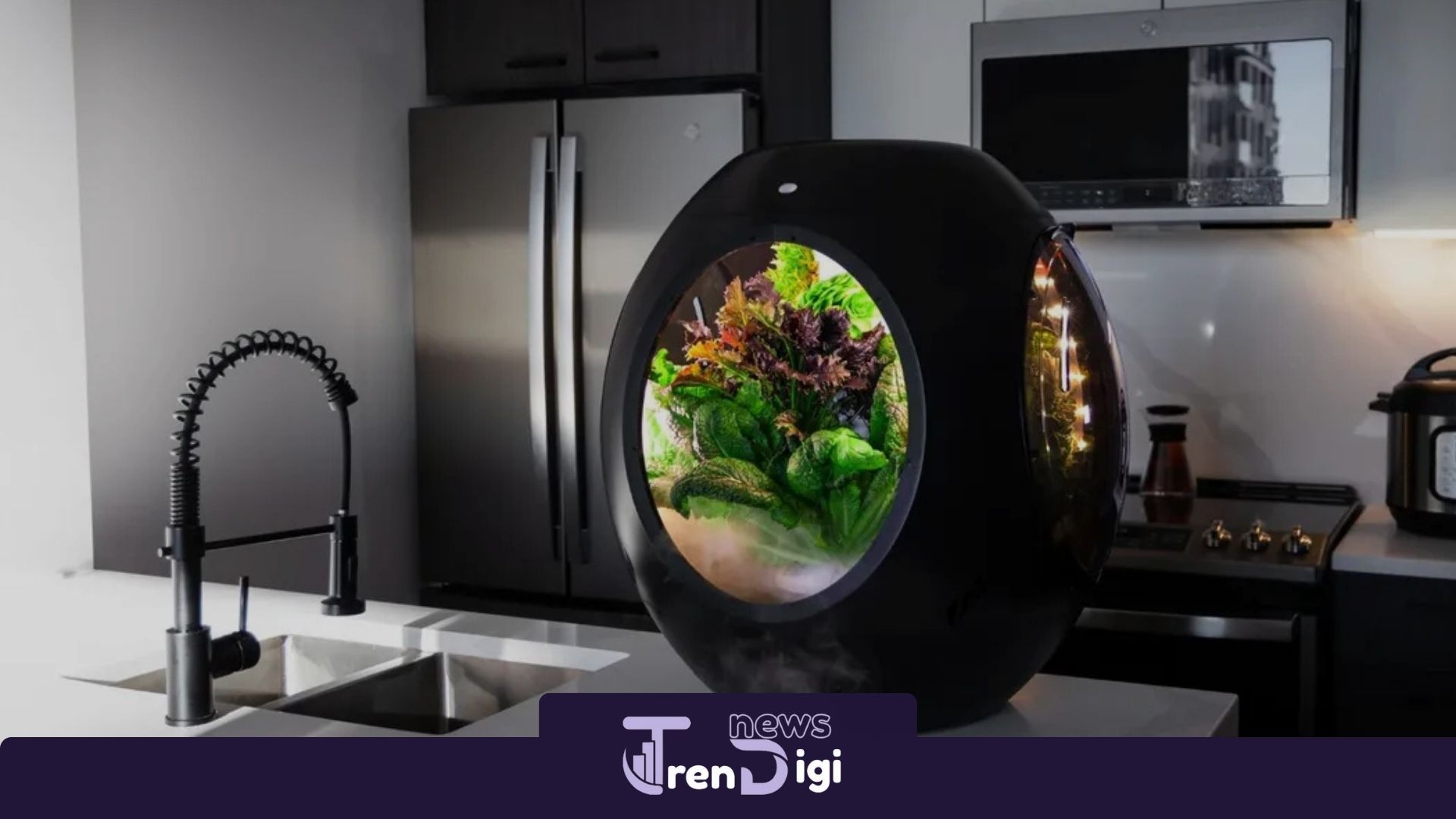
and Smart gardening devices in 2025 allow homeowners to maintain indoor and outdoor gardens effortlessly. Automated watering systems, soil sensors, and AI-driven plant monitors provide real-time insights into soil moisture, temperature, and light exposure. These devices reduce manual effort, prevent overwatering, and optimize growth conditions for a wide range of plants. Integration with smart assistants allows remote management and scheduling, ensuring plants receive ideal care consistently. Smart gardening tools combine technology with sustainability, making plant care both efficient and environmentally friendly.
–
Advanced Features of Smart Garden Devices
Smart garden sensors now include nutrient detection and pest alerts. AI algorithms analyze growth patterns and suggest adjustments to light or water levels. Automated sprinklers operate based on weather forecasts and soil conditions, conserving water while maintaining optimal growth. Indoor hydroponic systems provide precise control over nutrient delivery, promoting faster and healthier plant development. These devices make gardening accessible for beginners and convenient for experienced horticulturists.
.
Smart Cleaning Devices for Effortless Maintenance
Robotic vacuum cleaners, mops, and window cleaners now feature AI navigation and mapping for efficient cleaning routes. Devices like iRobot Roomba i7+ and Ecovacs Deebot T10 integrate with home assistants to schedule cleaning tasks and provide real-time status updates. Smart sensors detect dirt, debris, and obstacles, ensuring thorough coverage. Some models empty themselves automatically and adjust suction power based on surface type. These gadgets reduce manual labor and maintain consistently clean living spaces.
–
Key Cleaning Features to Look For
Modern cleaning devices include mapping, app control, and self-emptying systems. Mapping creates virtual layouts for efficient cleaning. App control allows remote scheduling and notifications. Self-emptying systems reduce maintenance frequency. Additionally, multi-surface adaptability ensures carpets, hardwood, and tiles receive optimal cleaning. Noise reduction technology makes operation unobtrusive, and integration with smart home ecosystems allows automation triggers, like starting cleaning when no one is home.
.
Smart Window Treatments for Energy Efficiency
Motorized systems adjust automatically based on sunlight, temperature, or schedule. They integrate with home assistants for voice control and remote operation. These devices reduce heating and cooling costs by optimizing natural light and insulation. Advanced models include light sensors that prevent glare and protect furniture from UV damage. Smart window treatments also enhance privacy and security by simulating occupancy when homeowners are away.
–
Popular Smart Window Solutions
Leading products include Lutron Serena, Somfy, and IKEA’s smart blinds. Lutron Serena integrates seamlessly with multiple home assistants. Somfy offers automated scheduling and app-based control. IKEA’s models provide affordable options with easy installation. Many systems now include battery-powered or solar options, eliminating the need for extensive wiring. Integration with lighting and climate control systems enhances overall home automation efficiency.
.
Smart Door Locks and Access Control
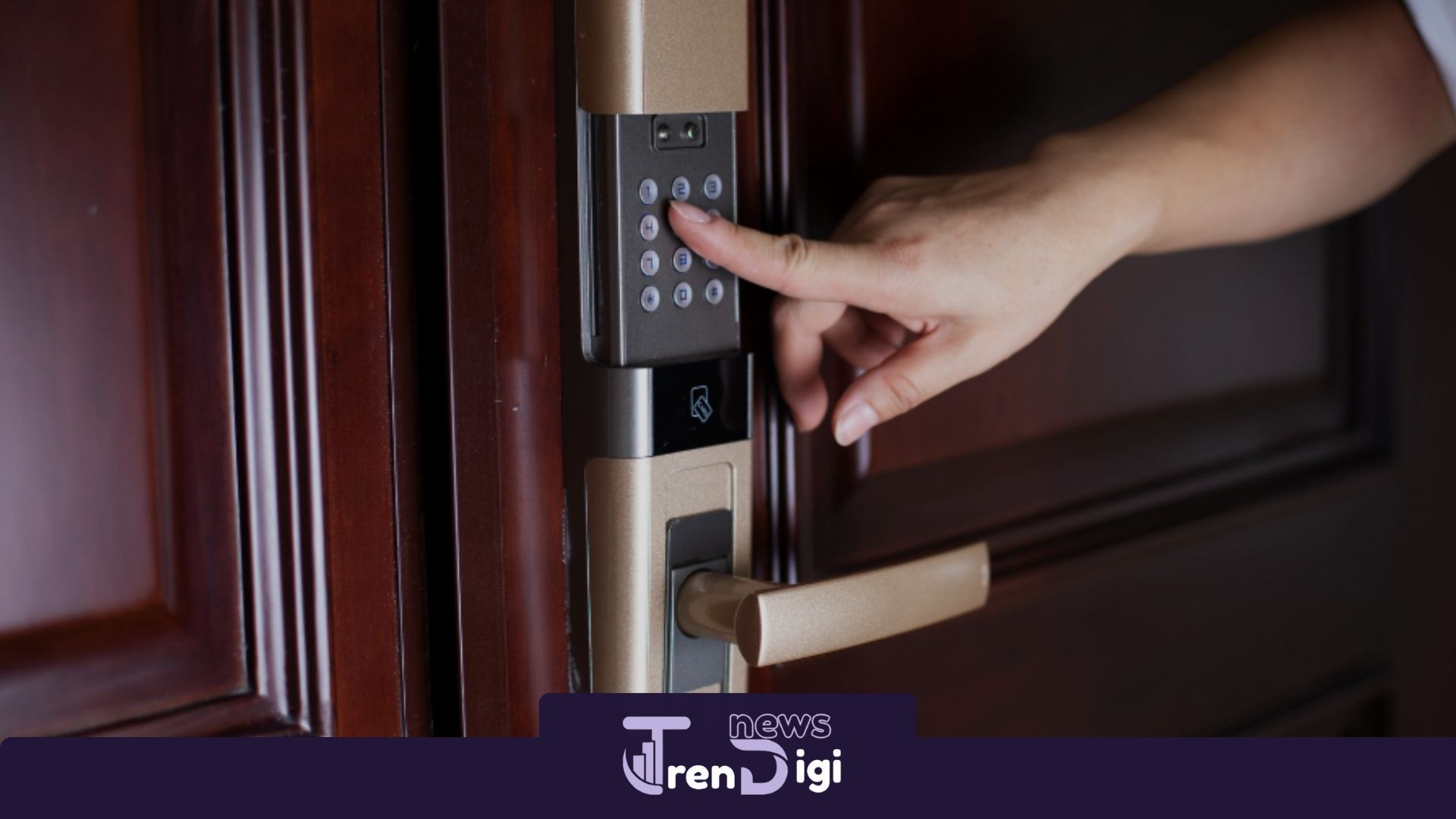
They allow keyless entry through apps, keypads, or biometric recognition. Devices like August Smart Lock Pro and Yale Assure integrate with home assistants to lock or unlock doors remotely. Temporary access codes can be shared with guests, cleaners, or service personnel. Notifications alert homeowners to door activity in real-time. Integration with cameras and alarms ensures complete monitoring and security.
–
Security Features and Access Options
Top smart locks include biometric scanning, geofencing, and auto-locking features. Biometric scanning uses fingerprints or facial recognition for authorized access. Geofencing automatically unlocks doors when homeowners approach. Auto-locking ensures doors remain secure when unattended. Many locks also include tamper alerts, backup keys, and emergency power options. Integration with overall smart home systems ensures cohesive security management.
.
Smart Home Energy Storage and Solar Integration
Energy storage solutions in 2025 complement renewable energy systems at home. Smart batteries store solar power for use during peak hours or outages. Devices like Tesla Powerwall and LG Chem RESU provide real-time monitoring of energy usage and storage levels. Homeowners can schedule energy usage to reduce costs and rely less on the grid. Integration with smart plugs and appliances optimizes energy distribution throughout the house. These systems enhance sustainability and self-sufficiency.
–
Benefits of Smart Energy Systems
Smart energy storage ensures efficient usage and reduces reliance on traditional power sources. Monitoring apps provide insights into consumption patterns and potential savings. Automated switching between grid and stored energy ensures consistent power supply. Integration with solar panels maximizes renewable energy utilization. These systems contribute to environmental conservation and long-term cost efficiency.
.
Emerging Smart Home Technologies
AI-driven routines adapt to lifestyle changes automatically, enhancing convenience and comfort. Robotic assistants now perform complex household tasks like folding laundry or managing groceries. Predictive analytics help anticipate maintenance needs for appliances, preventing costly repairs. Augmented reality (AR) interfaces allow visualization and control of smart home setups from mobile devices or glasses. These technologies continue to push boundaries, making homes increasingly intelligent and responsive.
–
Future Directions for Smart Homes
Integration of AI, IoT, and robotics will create more personalized living environments. Homes will predict needs, automate repetitive tasks, and optimize energy and resource usage. Enhanced interoperability across brands ensures a seamless user experience. Continuous updates and machine learning improve device performance over time. The focus on sustainability and convenience will shape the next generation of smart home gadgets.
.
Conclusion: Choosing the Best Smart Home Gadgets of 2025
Selecting the Best Smart Home Gadgets of 2025: Which Devices Are Truly Worth Buying? requires evaluating convenience, compatibility, and long-term value. Devices that integrate well, improve energy efficiency, and enhance security deliver the most tangible benefits. Consumers should prioritize gadgets with strong software support, regular updates, and reliable customer service. By carefully selecting devices, homeowners can create a seamless, automated, and future-ready home ecosystem that simplifies daily routines, enhances comfort, and ensures safety for years to come.