Smartwatches and Fitness Bands : Comparing Performance, Battery, and Health Features
This article, written by trendiginews, provides the best and most accurate information on smartwatches and fitness bands, helping you make an informed choice for your health and daily activity tracking. In this guide, we will explore the performance, battery life, and health monitoring features of modern wearable devices. Readers will learn how different models compare in real-world usage, what features matter most, and which devices deliver the best value for their lifestyle. Whether you want to optimize fitness, track health metrics, or simply find a reliable wearable, this article covers everything you need to know.
Understanding Smartwatches and Fitness Bands
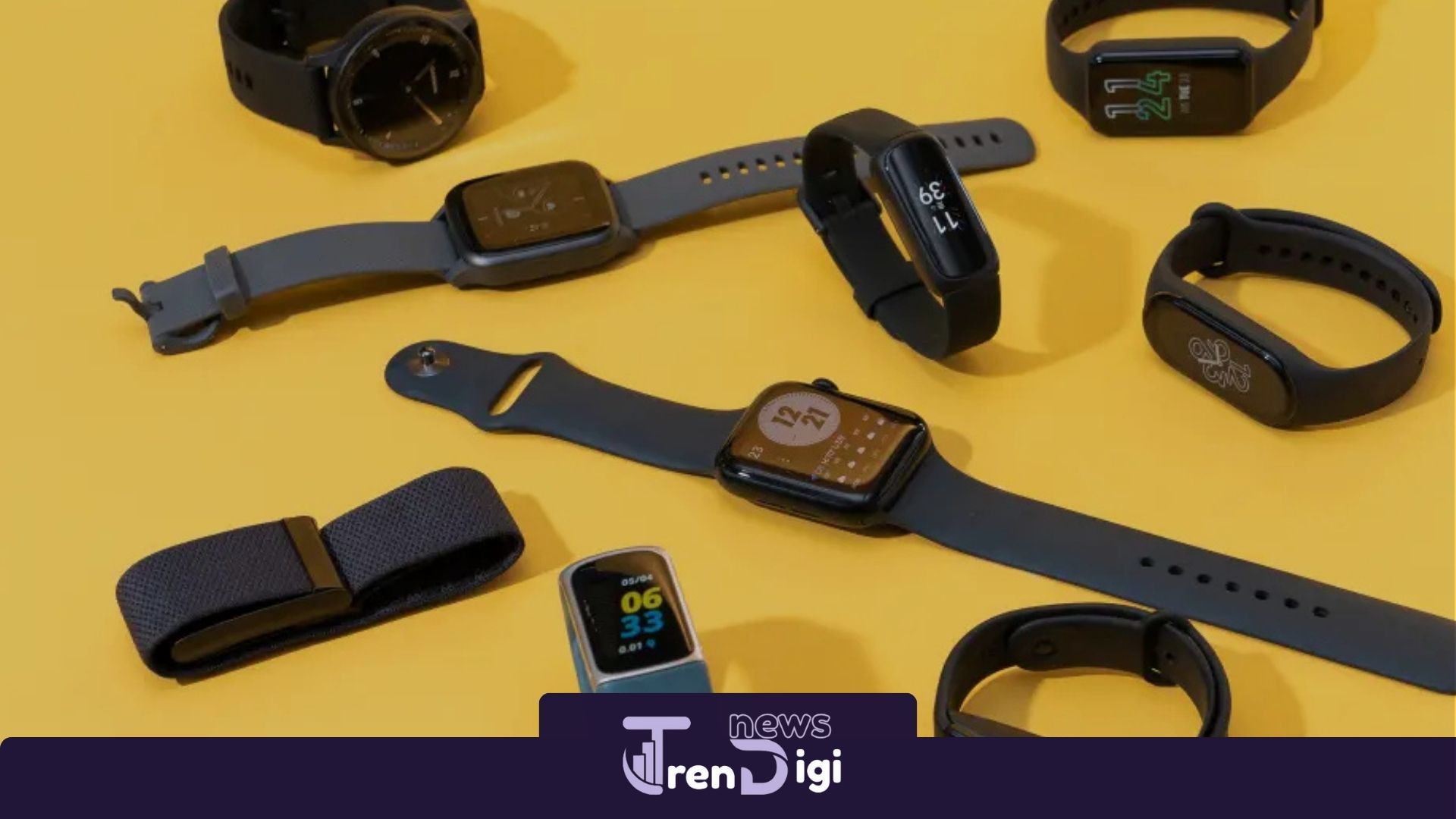
Smartwatches and fitness bands have become essential tools for managing health and productivity. Both devices track physical activity, monitor vital signs, and integrate with smartphones to provide real-time notifications. Smartwatches often combine advanced apps, customizable watch faces, and powerful processors, making them versatile companions for work and leisure. Fitness bands focus primarily on health and activity tracking, offering lightweight designs and longer battery life. Choosing between the two depends on your priorities, such as detailed analytics, design preferences, and how often you want to charge the device.
Both devices rely on sensors like accelerometers, heart rate monitors, and SpO2 sensors to provide accurate data. Performance differences often stem from processor speed, software optimization, and compatibility with mobile operating systems. Fitness enthusiasts benefit from bands that emphasize activity tracking and sleep monitoring, while tech-savvy users may prefer smartwatches that can handle notifications, calls, and app interactions without relying on a phone. Understanding these distinctions is crucial before making a purchase. Gaming and Work Laptops: Which Models Are Worth Buying now ?
Key Performance Metrics to Consider
Performance determines how smoothly your wearable functions in daily use. The processor inside a smartwatch affects app loading times, responsiveness, and the ability to handle multiple tasks simultaneously. Some fitness bands offer minimal processing power but maintain accurate step counting and heart rate monitoring. Users should also consider RAM and storage, as these factors influence device speed and the ability to store activity history. Firmware updates can enhance performance, but the initial hardware specifications set the baseline.
Connectivity plays a vital role in performance. Devices with Bluetooth 5.0 or higher maintain stronger connections to smartphones and accessories. GPS accuracy also impacts real-time tracking during workouts, especially for runners, cyclists, and hikers. Smartwatches generally include built-in GPS, while some fitness bands require a smartphone connection for location tracking. Choosing a device with reliable sensors ensures consistent performance, even during intense activity.
Battery Life: What to Expect from Modern Wearables
Battery life remains one of the most significant differences between smartwatches and fitness bands. High-end smartwatches often last 1–3 days due to vibrant displays and powerful processors. Fitness bands usually prioritize efficiency, lasting up to two weeks on a single charge. Factors such as screen brightness, GPS usage, and health tracking frequency influence battery consumption. Users who engage in extended workouts or frequent notifications may notice faster battery drain on smartwatches compared to bands.
Some devices include battery-saving modes that reduce sensor activity, limit notifications, or dim the display. These modes help extend usage but may affect real-time tracking and alerts. Wireless charging and fast-charging capabilities enhance convenience, allowing users to recharge devices quickly. Understanding battery requirements is essential for selecting a wearable that aligns with your lifestyle and usage habits.
Health Monitoring Features
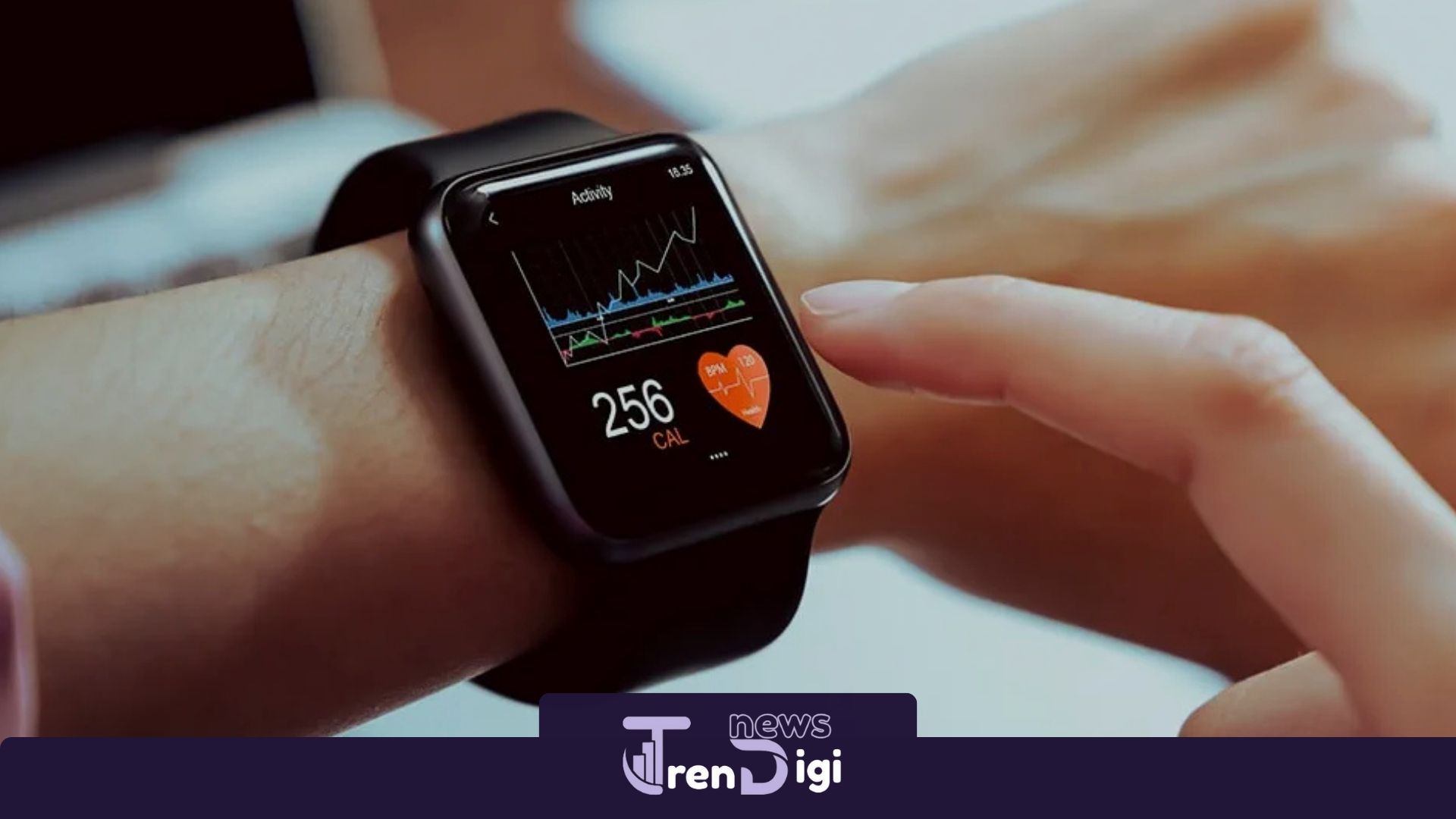
Modern wearables provide a comprehensive suite of health monitoring tools. Heart rate sensors track your cardiovascular health, while SpO2 monitors measure blood oxygen levels. Advanced devices include ECG monitoring, sleep analysis, and stress tracking. Smartwatches often integrate multiple health apps, offering detailed insights and personalized recommendations. Fitness bands focus on core health metrics, providing long-term trends and simplified summaries.
Sleep tracking is a critical feature for maintaining wellness. Devices monitor sleep stages, duration, and interruptions, helping users identify patterns and improve rest quality. Stress tracking combines heart rate variability and motion detection to provide actionable insights for relaxation and mental health. Blood oxygen monitoring proves useful for athletes, individuals with respiratory conditions, or anyone looking to optimize performance and recovery. Selecting a device with accurate and reliable sensors ensures meaningful health data.
Comparing Popular Brands and Models
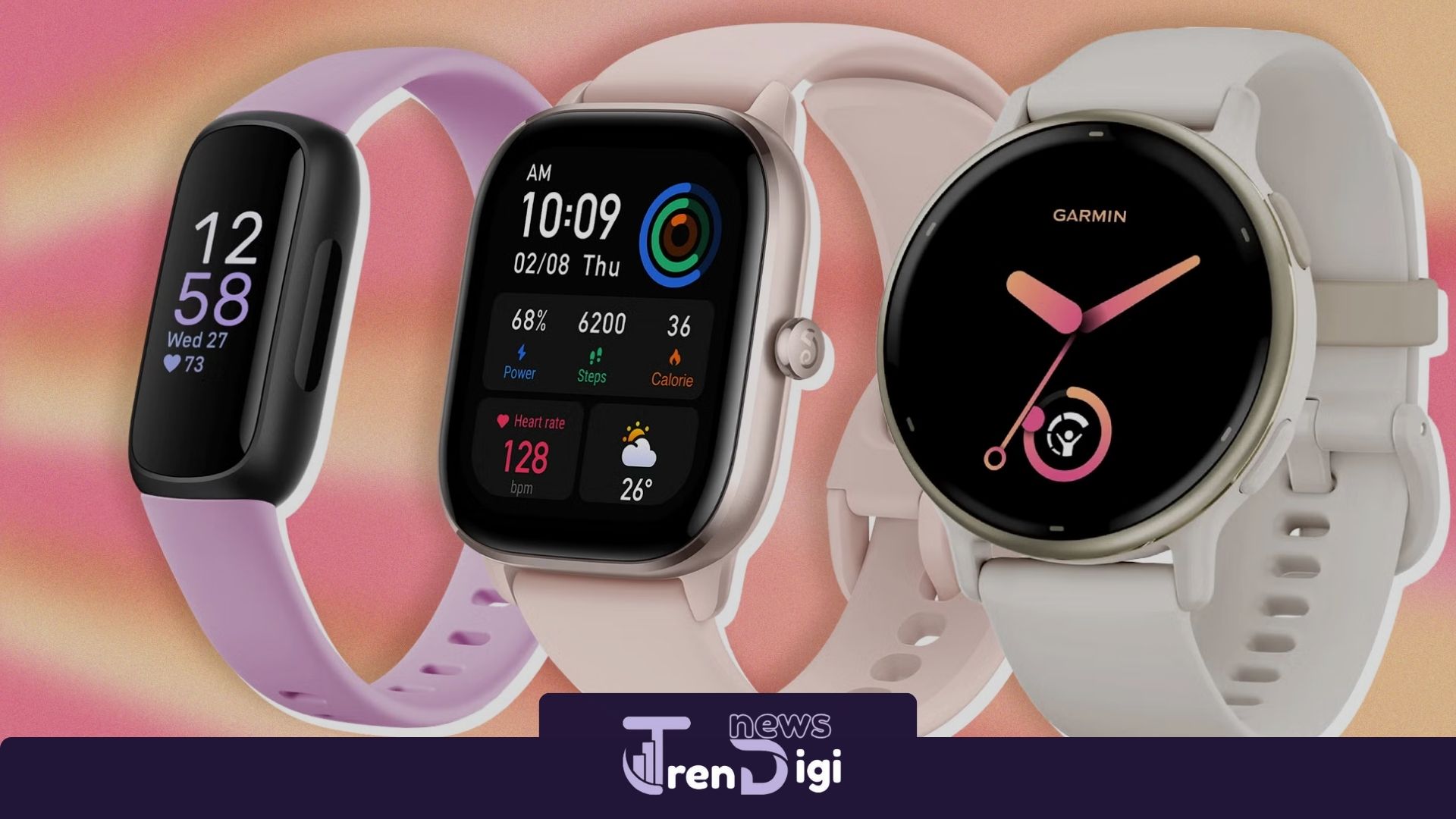
The market for smartwatches and fitness bands is diverse, offering options for different budgets and needs. Leading smartwatch brands focus on seamless integration with smartphones, robust app ecosystems, and high-quality displays. Fitness bands target affordability, long battery life, and precise activity tracking. Users must compare devices based on features, performance, and health monitoring capabilities to make the best choice.
For example, flagship smartwatches include multiple sensors, customizable interfaces, and strong third-party app support. Fitness bands prioritize steps, heart rate, sleep, and minimalistic designs for comfortable wear during exercise and sleep. Brand reputation, customer support, and software updates also influence long-term satisfaction. Understanding these differences helps consumers choose the right device without compromise. Smartphones 2025: Full Review of Cameras, Battery, and New Features
.
Advanced Features in Smartwatches and Fitness Bands
Beyond basic tracking, smartwatches and fitness bands offer advanced features that enhance usability and user engagement. Smartwatches often include voice assistants, contactless payments, music storage, and app notifications, providing convenience beyond fitness tracking. Fitness bands focus on simplicity but sometimes include guided workouts, reminders, and customizable health alerts. Users should identify which features align with daily routines and personal goals before choosing a device.
Some wearables include hydration tracking, menstrual cycle tracking, and VO2 max measurement. These features provide specialized health insights that improve lifestyle management. Smartwatches tend to integrate more apps, allowing users to expand functionality over time. Fitness bands offer fewer but highly focused features, which reduces complexity and preserves battery life. Evaluating advanced features ensures that users gain maximum benefit from their wearable investment.
Display, Design, and Comfort
The display plays a critical role in daily interaction with wearables. Smartwatches usually feature high-resolution OLED or AMOLED screens, offering sharp visuals and customizable watch faces. Fitness bands prioritize efficiency, often using small, low-power displays that extend battery life. Brightness, touchscreen responsiveness, and readability under sunlight are essential for practical usage. Users should test display visibility in real-life conditions before making a decision.
Design and comfort are equally important. Devices worn 24/7 must be lightweight, adjustable, and made of skin-friendly materials. Smartwatches may weigh slightly more due to larger screens and added functionality, whereas fitness bands focus on minimalistic design. Straps, water resistance, and durability influence comfort and long-term satisfaction. A well-designed wearable balances style, usability, and functionality, ensuring consistent usage without irritation.
Connectivity and App Ecosystem
Seamless connectivity enhances the overall wearable experience. Smartwatches rely on Bluetooth, Wi-Fi, and sometimes LTE to synchronize data and enable notifications. Fitness bands generally depend on Bluetooth and a companion app for full functionality. Compatibility with mobile operating systems affects app availability, performance, and integration with third-party services. Users should confirm that the device supports their smartphone ecosystem before purchase.
The companion app provides insights, trends, and personalized recommendations. Smartwatch apps often support complex features such as workout planning, social sharing, and app downloads. Fitness band apps focus on health metrics, step goals, and sleep tracking, presenting data in simple dashboards. Devices with robust app ecosystems deliver more value by enabling customization, automation, and detailed analytics. Choosing a device with a strong app ecosystem ensures that users can maximize its potential.
Pricing and Value for Money
Pricing varies significantly between smartwatches and fitness bands. Premium smartwatches often cost several hundred dollars due to advanced processors, high-resolution displays, and multiple health features. Fitness bands offer more affordable options, providing essential tracking without extra cost. Users should assess value by comparing features, battery life, and long-term software support relative to price.
Deals and bundles also influence perceived value. Some brands offer seasonal discounts or packages with extra straps, chargers, or apps. Additionally, long-term software updates enhance usability and prevent device obsolescence. Users who prioritize advanced features and connectivity may invest in high-end smartwatches, while those seeking simplicity and extended battery life may prefer fitness bands. Evaluating value for money ensures that buyers achieve maximum satisfaction from their wearable.
Tips for Maximizing Device Performance
To get the most out of smartwatches and fitness bands, users should optimize settings and usage patterns. Reducing screen brightness, limiting notifications, and disabling unnecessary sensors can extend battery life. Regular firmware updates improve performance, enhance accuracy, and introduce new features. Users should also calibrate sensors according to manufacturer guidelines for precise tracking.
Proper maintenance ensures longevity. Cleaning the device, avoiding extreme temperatures, and using original chargers prevents damage and performance degradation. Tracking trends over time rather than obsessing over single measurements produces more accurate health insights. Combining consistent usage, smart settings, and proper care allows users to fully leverage both performance and health features of their wearable.
Choosing the Right Device for Your Needs
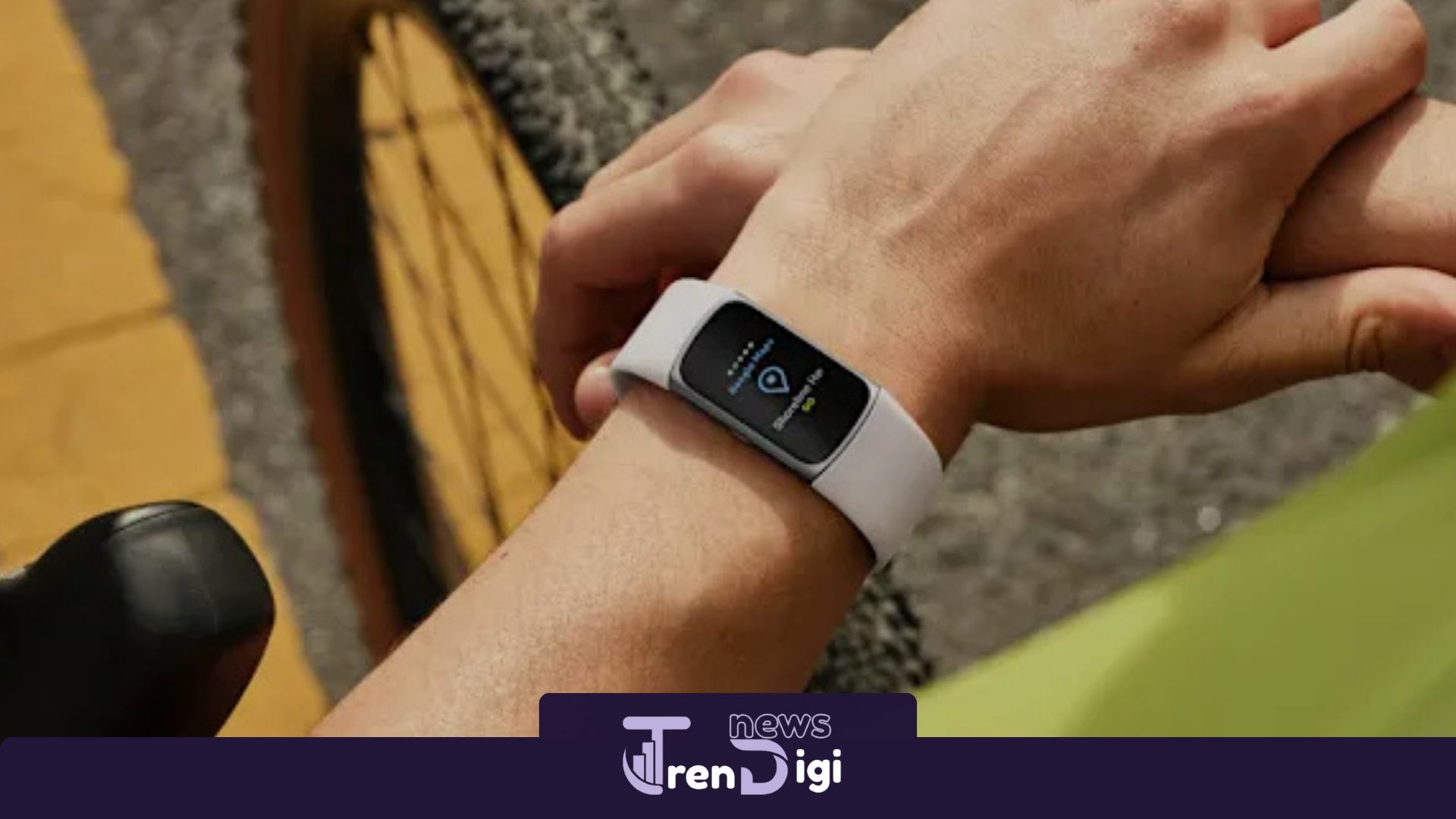
Selecting the best wearable requires understanding personal goals and lifestyle. Users who prioritize notifications, app functionality, and advanced health metrics often choose smartwatches. Those seeking simplicity, long battery life, and lightweight design generally prefer fitness bands. Considering daily routines, fitness goals, and smartphone compatibility guides a practical choice.
Testing devices before purchase is ideal. Comfort, display readability, app usability, and real-world tracking accuracy determine long-term satisfaction. Additionally, reading reviews and comparing multiple models helps identify trade-offs between performance, battery life, and health features. Making an informed choice ensures that users invest in a wearable that supports their health and productivity effectively. Best Smart Home Gadgets of 2025: Which Devices Are Truly Worth Buying?
Conclusion: Smartwatches vs. Fitness Bands
Smartwatches and fitness bands cater to different priorities but share the goal of improving health and productivity. Smartwatches excel in performance, app versatility, and advanced features, while fitness bands provide essential tracking, longer battery life, and lightweight design. Understanding performance, battery life, health monitoring capabilities, and personal lifestyle needs is key to selecting the right device.
This article by trendiginews has compared devices across multiple aspects, helping users make informed decisions. By evaluating performance, battery life, health features, design, connectivity, and price, readers can choose a wearable that aligns with their goals. Smartwatches and fitness bands each offer unique benefits, and understanding these differences ensures users maximize both health insights and daily convenience.