Top AI Tools in 2026 That Are Replacing Human Jobs (Complete Usage Guide)
This article explains how artificial intelligence transforms industries, workflows, and careers in 2026 through real-world tools and practical usage strategies. Readers will learn which AI platforms replace human roles, how businesses use them daily, and how professionals adapt to this shift with smart decisions. This article comes from trendiginews, where our team delivers accurate, practical, and up-to-date insights with the highest research standards. The guide focuses on usability instead of theory, so readers can understand exactly how companies apply these tools today. Every example connects directly to business operations, productivity growth, and job evolution. The content also helps readers prepare for future opportunities instead of resisting change. Throughout this guide, the discussion around Top AI Tools in 2026 That Are Replacing Human Jobs (Complete Usage Guide appears naturally and strategically.
How AI Job Replacement Looks Different in 2026
AI adoption in 2026 moves faster than any previous technological shift because companies prioritize efficiency and scalability. Businesses no longer experiment with artificial intelligence; they depend on it for daily operations. Organizations choose AI tools that deliver consistent results without fatigue, emotional bias, or skill gaps. This trend reshapes job structures rather than eliminating work entirely. Companies redesign roles so humans supervise, refine, and optimize AI-driven systems. AI handles repetitive execution while humans manage strategy and creative judgment.
Industries such as marketing, customer service, finance, and software development show the strongest transformation. Employers reduce hiring costs by deploying specialized AI platforms that complete tasks in minutes. These tools learn continuously from real-time data, which improves accuracy every day. Human workers who adapt to AI collaboration gain higher-value responsibilities. Those who ignore the shift struggle to compete in the modern job market. Understanding this reality prepares professionals for smarter career moves.
AI-Powered Content Creation Tools Replacing Writers and Editors
Advanced AI Writing Platforms for Businesses
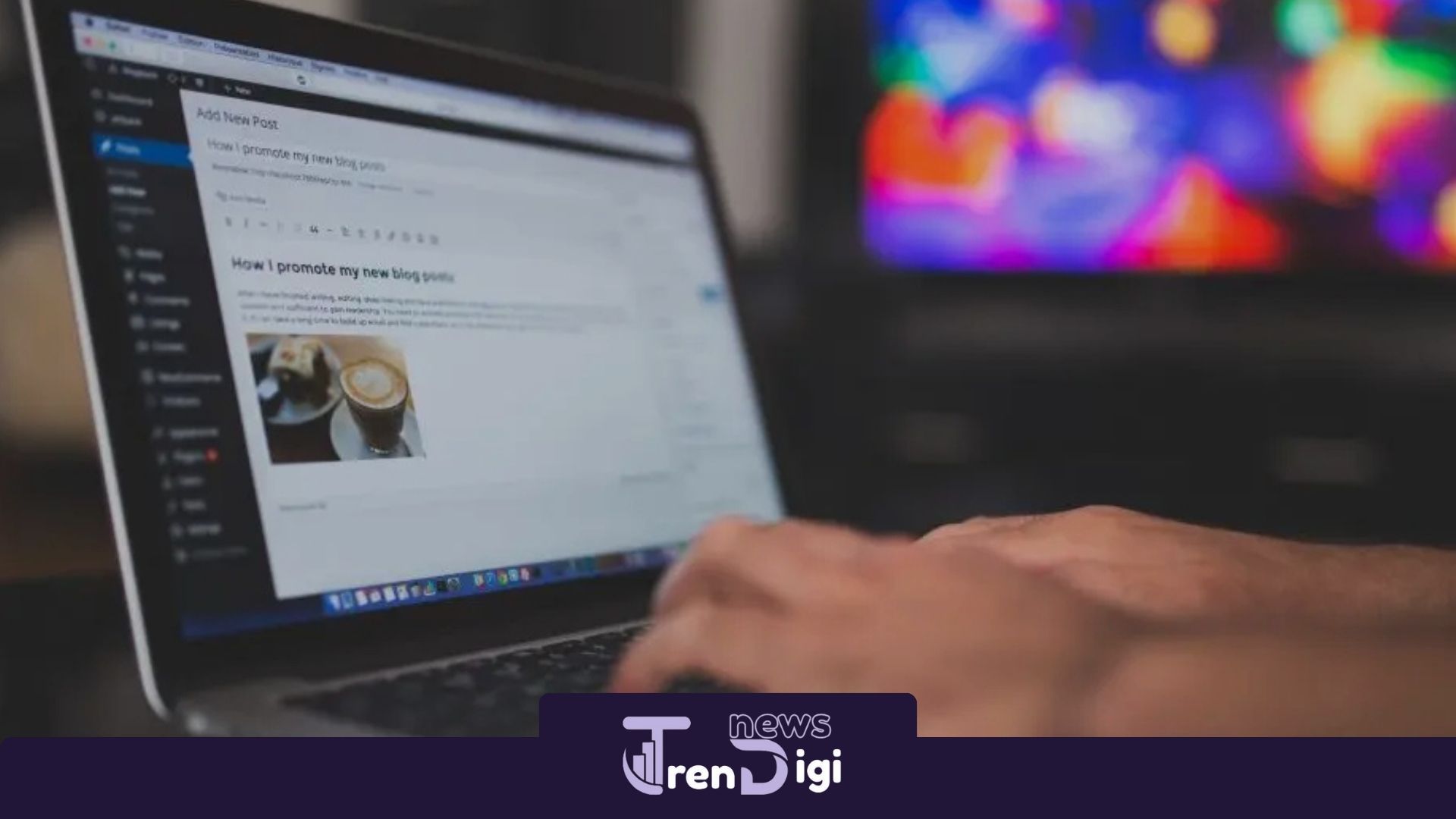
AI writing tools in 2026 produce long-form articles, ad copy, technical documentation, and sales emails with precision. Companies use these platforms to maintain consistent brand tone across thousands of content pieces. Marketing teams rely on AI to generate drafts, optimize keywords, and structure content for search engines. These tools analyze audience intent, competitor content, and engagement data before writing a single sentence. This process saves time while improving performance metrics.
Businesses integrate AI writers directly into content management systems for seamless publishing. Editors now focus on strategy, messaging, and quality control instead of manual drafting. AI handles research synthesis, outline creation, and first-pass writing. This shift reduces content production costs while increasing output volume. Writers who adapt learn prompt engineering, content planning, and editorial oversight to stay relevant.
AI Video and Design Tools Reshaping Creative Jobs
AI design platforms now generate logos, banners, social media creatives, and full video advertisements. These tools interpret brand guidelines and campaign goals through simple text instructions. Marketing agencies use AI to deliver fast creative variations for A/B testing. Designers who once spent hours on revisions now oversee creative direction and final selection.
Video AI tools generate realistic voiceovers, animations, and explainer videos without filming equipment. Businesses use them for training, onboarding, and marketing at scale. Creative professionals who master these tools increase productivity and expand service offerings. The market now rewards creative leadership rather than manual execution.How to Make Money Using ChatGPT, Gemini, and Copilot (Step-by-Step Guide)
AI Customer Support Systems Replacing Call Center Roles
AI customer support systems replace call center roles by handling high volumes of inquiries through chatbots and voice assistants with consistent accuracy. These tools resolve routine issues instantly, reducing wait times and improving customer satisfaction. Human agents now focus on complex cases, relationship management, and strategic problem-solving.
Conversational AI Chatbots and Voice Assistants
Customer service teams in 2026 rely heavily on AI chatbots and voice assistants. These systems handle thousands of conversations simultaneously with consistent accuracy. AI understands context, sentiment, and intent across multiple languages. Companies deploy these tools across websites, apps, and phone systems.
Businesses reduce wait times while improving customer satisfaction scores. AI resolves common issues such as refunds, troubleshooting, and account management instantly. Human agents step in only for complex or emotional cases. This structure improves efficiency while lowering operational costs. Support professionals now focus on escalation management and customer relationship strategy.
AI CRM Integration for End-to-End Automation
AI-powered CRM systems connect customer interactions across channels into one intelligent workflow. These platforms analyze customer history and predict needs before problems arise. Sales and support teams receive AI-driven recommendations during live interactions. This approach increases resolution speed and customer loyalty.
Companies trust AI to manage ticket prioritization, follow-ups, and feedback analysis. Human managers monitor performance metrics and refine automation rules. CRM expertise combined with AI literacy creates strong career opportunities in 2026.
AI Tools Transforming Data Analysis and Finance Jobs
Predictive Analytics and Business Intelligence AI
AI analytics platforms process massive datasets within seconds and deliver actionable insights. Finance teams use these tools for forecasting, budgeting, and risk assessment. AI models identify trends that humans often miss due to data complexity. Executives rely on AI dashboards for real-time decision-making.
These tools eliminate manual spreadsheet work and reduce human error. Analysts shift focus toward interpretation, storytelling, and strategic planning. Professionals who understand data context and business goals gain higher influence within organizations. AI accelerates insight delivery while humans guide final decisions.
Automated Accounting and Compliance Systems
AI accounting platforms manage bookkeeping, invoicing, tax calculations, and compliance reporting. Small and medium businesses adopt these tools to replace manual accounting roles. AI ensures accuracy by cross-checking regulations and transaction records automatically.
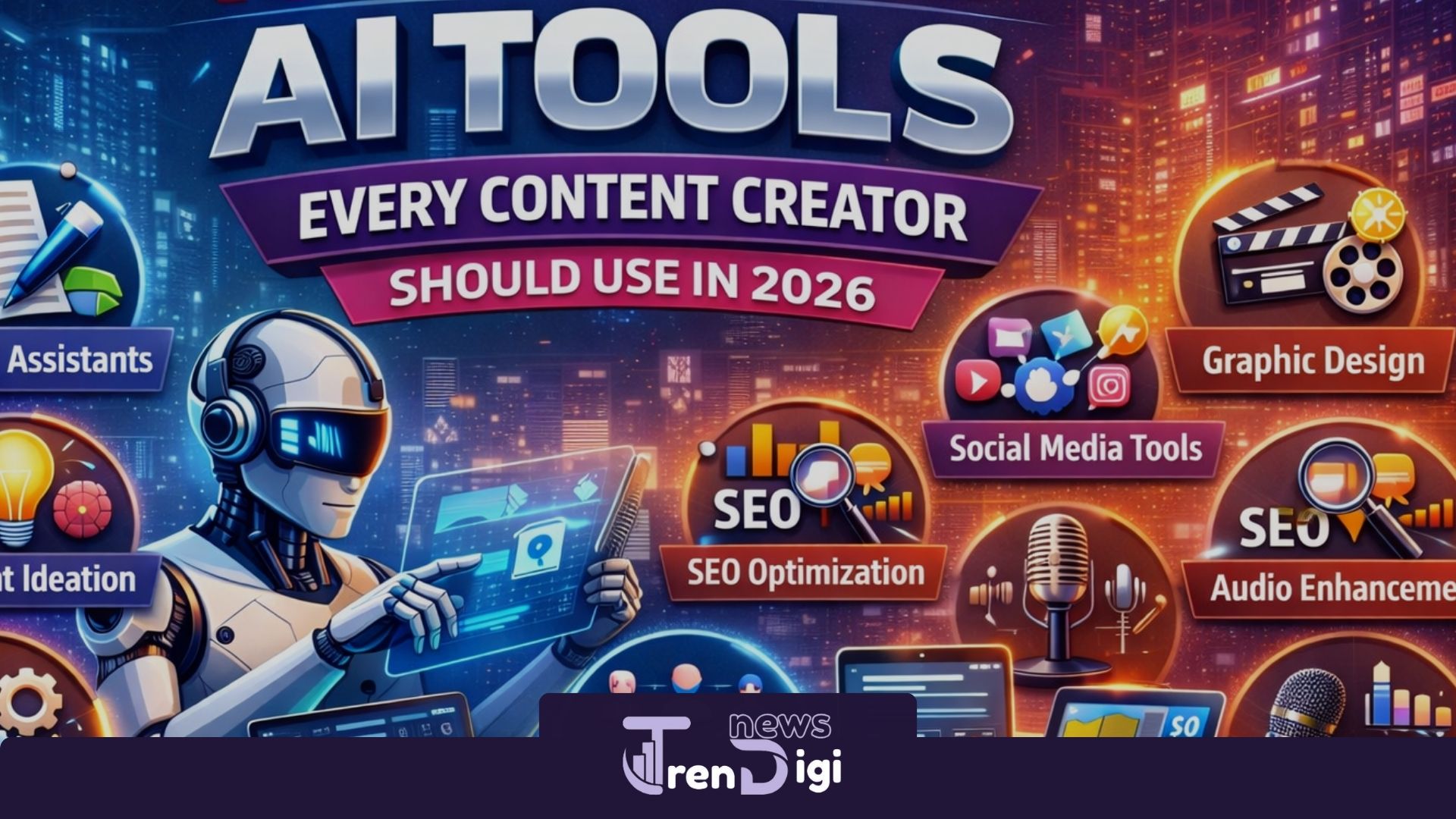
Accountants who adapt move into advisory roles that focus on financial planning and optimization. Businesses value professionals who combine financial expertise with AI system management. This evolution improves efficiency while maintaining regulatory confidence. 10 Must-Have AI Tools Every Content Creator Should Use in 2026
AI Software Development Tools Redefining Programmer Roles
Code Generation and Debugging AI Platforms
AI coding tools in 2026 generate functional code based on plain-language instructions. Developers use these platforms to build applications faster with fewer errors. AI handles repetitive coding tasks, bug detection, and performance optimization. Teams deliver products faster while maintaining quality standards.
Programmers now focus on architecture, security, and system design. AI-assisted development reduces burnout and improves collaboration. Developers who master AI coding assistants gain a competitive edge. The industry values problem-solving skills more than syntax memorization.
AI DevOps and System Monitoring Solutions
AI-driven DevOps platforms monitor infrastructure, predict failures, and optimize deployments automatically. These systems reduce downtime and operational costs. Companies rely on AI to manage cloud resources efficiently at scale.
Engineers oversee system strategy and respond to AI-generated alerts. This collaboration improves reliability and scalability. DevOps professionals who embrace automation secure long-term relevance.
AI Tools Replacing HR and Recruitment Jobs in 2026
AI Resume Screening and Candidate Matching Systems
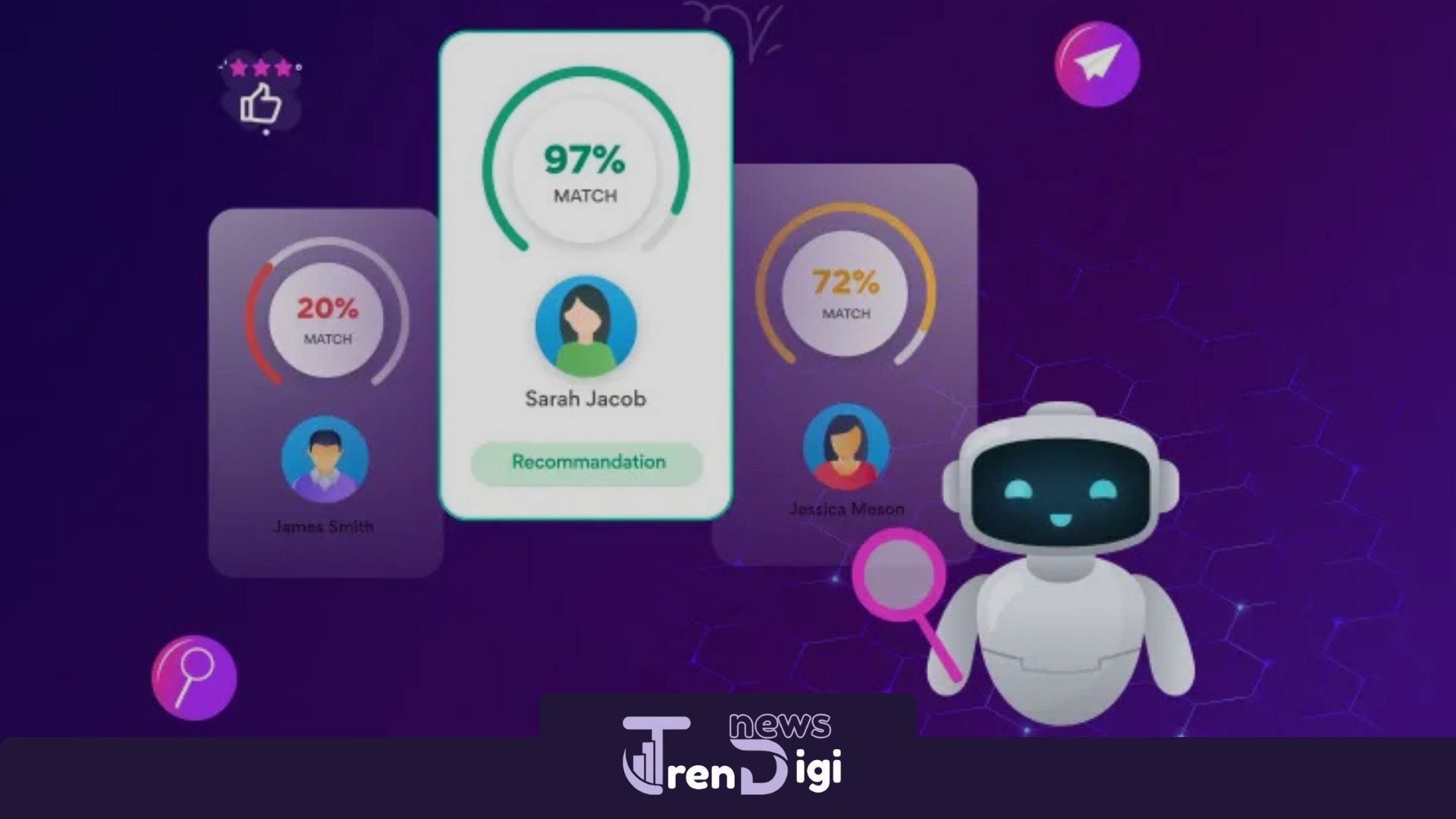
Recruitment departments in 2026 depend heavily on AI-powered hiring platforms. These systems scan thousands of resumes within minutes and rank candidates based on skill relevance, experience, and cultural fit. Companies no longer rely on manual resume screening because AI eliminates bias caused by fatigue or inconsistency. Recruiters use these tools to shortlist top candidates instantly.
AI analyzes job descriptions and compares them with candidate profiles using deep semantic understanding. This approach improves hiring accuracy and reduces time-to-hire significantly. HR teams now spend more time on interviews, onboarding, and employee engagement. Professionals who understand AI-driven recruitment gain strategic importance inside organizations. This transformation reflects the practical impact of Top AI Tools in 2026 That Are Replacing Human Jobs (Complete Usage Guide.
AI Employee Monitoring and Performance Analytics
AI performance management tools track productivity, engagement, and workflow efficiency in real time. These platforms analyze work patterns without micromanagement. Companies use AI insights to identify skill gaps and training needs early. Managers rely on data-backed evaluations instead of subjective opinions.
AI also predicts employee burnout and turnover risks using behavioral indicators. HR leaders take proactive action based on these insights. This shift replaces manual performance reviews and spreadsheets entirely. Human roles now focus on leadership, coaching, and culture building. AI handles measurement while people handle motivation.
Marketing Roles and AI Tools Disrupting Sales
AI Sales Automation and Lead Intelligence Platforms
Sales teams in 2026 use AI tools that manage lead scoring, follow-ups, and outreach campaigns automatically. These platforms analyze buyer behavior across emails, websites, and social media. AI identifies high-intent prospects and recommends personalized messaging instantly.
Sales representatives no longer waste time on cold outreach or data entry. They focus on closing deals and relationship building. AI improves conversion rates by timing interactions perfectly. Businesses that adopt these systems outperform competitors consistently. This evolution highlights why Top AI Tools in 2026 That Are Replacing Human Jobs (Complete Usage Guide matters for modern professionals.
AI Digital Marketing Optimization Systems
AI marketing platforms manage SEO, paid ads, email campaigns, and social media scheduling from one dashboard. These tools test creatives, keywords, and audiences continuously. Marketers receive real-time optimization suggestions based on performance data.
AI predicts trends before they peak, allowing brands to act early. Marketing professionals now act as strategists instead of manual operators. Businesses scale faster with fewer team members. This shift rewards analytical thinking and creative planning over repetitive execution.
AI Tools Replacing Manufacturing and Operations Roles
AI tools replace manufacturing and operations roles by automating repetitive tasks, improving production accuracy, and reducing operational costs. Intelligent machines and predictive systems optimize workflows, manage resources efficiently, and minimize downtime across facilities. Human workers remain essential for supervision, innovation, and strategic decision-making while AI handles execution at scale. Best AI Tools Compared: Writing, Design, and Coding (Which One Wins?)
Robotics and AI Process Automation in Factories
Manufacturing in 2026 relies on AI-driven robotics for assembly, packaging, and quality control. These machines operate continuously with minimal error rates. AI systems monitor production lines and adjust parameters automatically for efficiency.
Companies reduce workplace accidents and material waste significantly. Human workers transition into maintenance, supervision, and optimization roles. AI ensures consistency while humans manage innovation and safety. This balance improves productivity across global supply chains.
AI Supply Chain and Logistics Optimization Tools
AI logistics platforms predict demand, optimize inventory, and manage transportation routes dynamically. Businesses avoid overstocking and delays through predictive insights. AI adjusts supply plans based on market fluctuations instantly.
Operations managers rely on AI dashboards for strategic planning. Manual forecasting becomes obsolete in this environment. Professionals who understand logistics and AI integration gain leadership opportunities. This change reinforces the relevance of Top AI Tools in 2026 That Are Replacing Human Jobs (Complete Usage Guide for operations-focused readers.
How Professionals Can Adapt and Stay Relevant in the AI Era
Skills That Matter More Than Ever in 2026
Professionals who succeed in 2026 focus on adaptability, critical thinking, and AI collaboration. Technical literacy matters more than deep specialization in one tool. Understanding how AI systems work improves decision-making and oversight.
Creative problem-solving, ethical judgment, and communication skills remain uniquely human strengths. Employers value professionals who guide AI outputs toward business goals. Continuous learning ensures long-term career growth. This mindset transforms AI from a threat into an advantage.
Practical Steps to Work With AI Instead of Competing Against It
Individuals should start by using AI tools in daily tasks to build familiarity. Learning prompt design and workflow automation provides immediate productivity gains. Professionals should track AI trends within their industries proactively.
Building hybrid skills that combine domain expertise with AI usage creates strong differentiation. Networking with AI-focused communities accelerates learning. This proactive approach aligns perfectly with the insights shared in Top AI Tools in 2026 That Are Replacing Human Jobs (Complete Usage Guide.
Final Thoughts on AI and the Future of Work
AI in 2026 reshapes work rather than eliminating human value entirely. Organizations that adopt AI responsibly gain speed, accuracy, and scalability. Professionals who evolve alongside AI secure better roles and influence. Resistance leads to stagnation, while adaptation leads to growth.
This guide from trendiginews delivers practical knowledge for navigating this transformation confidently. Readers who apply these insights position themselves ahead of change instead of reacting to it. The future rewards those who understand how AI works and where humans still matter most.