10 Must-Have AI Tools Every Content Creator Should Use in 2026
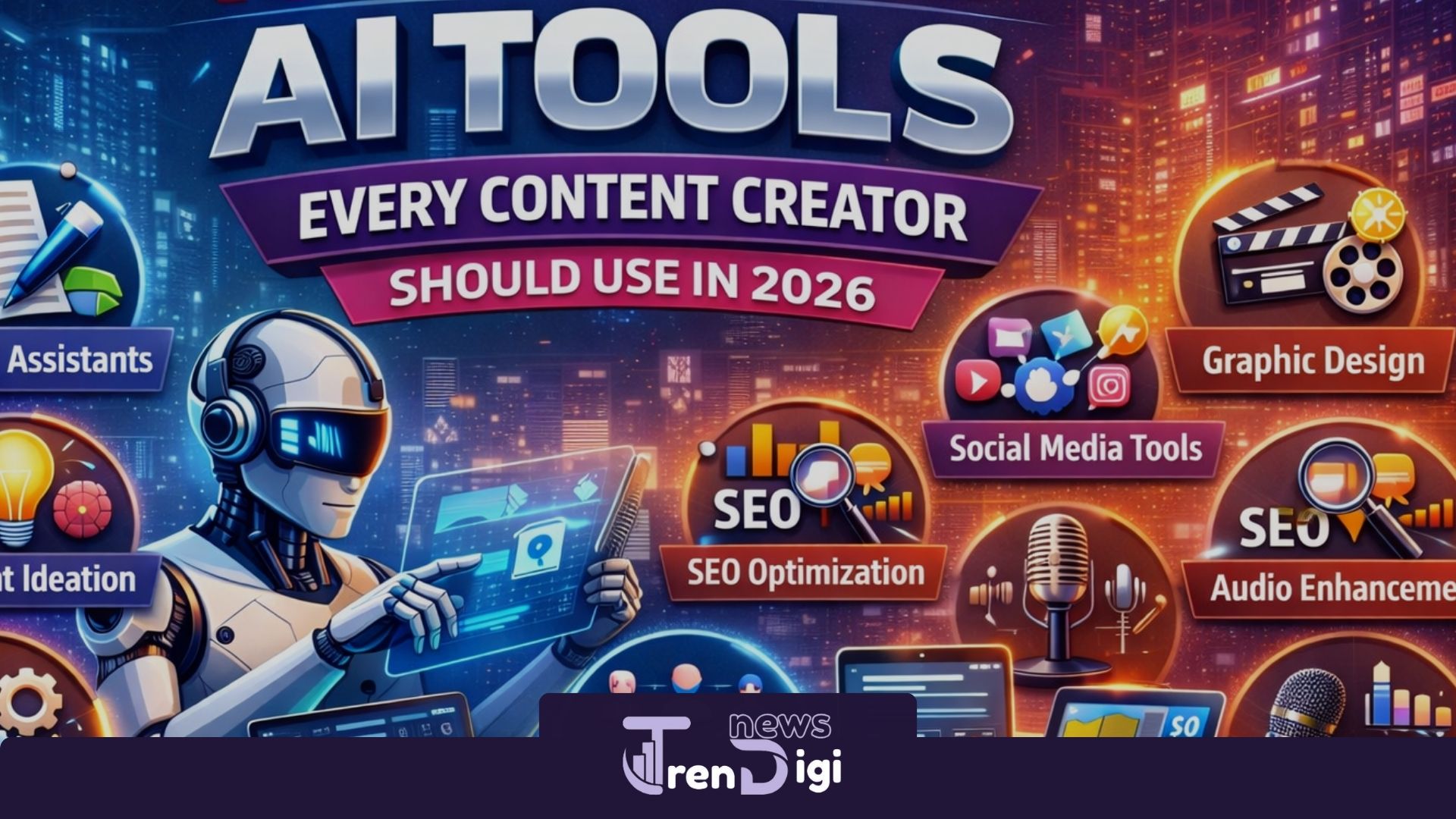
In 2026, content creation demands efficiency, creativity, and precision. 10 Must-Have AI Tools Every Content Creator Should Use in 2026 combine these qualities to transform how creators work. These tools assist in brainstorming ideas, automating repetitive tasks, enhancing multimedia content, and analyzing audience engagement. Each AI tool leverages advanced machine learning to save time, reduce errors, and elevate creativity. The right combination of these AI tools ensures that creators remain competitive, produce high-quality content consistently, and adapt to evolving digital trends.This article, prepared by trendinginews, highlights the most essential tools, explaining their functions, benefits, and use cases in real-world content creation.
1. AI for Writing Assistance
Writing is the backbone of content creation, and AI tools can streamline every stage. Platforms like AI-powered editors not only suggest grammar corrections but also enhance tone, style, and readability. Content creators can input rough ideas and receive polished articles instantly. Advanced AI tools analyze the target audience to recommend phrasing that maximizes engagement. By automating research, these tools reduce the hours spent verifying facts or sourcing credible information. They also suggest topic variations and headline improvements that attract higher click-through rates. Using AI for writing allows creators to focus on storytelling and creativity rather than tedious editing tasks.
Features to Look for in Writing AI Tools
Modern writing AI platforms offer plagiarism detection, readability analysis, and SEO optimization. They adapt to various writing styles, from formal blogs to casual social media posts. Some tools even generate summaries or rewrite content for multiple formats. Integrating these tools with content management systems ensures seamless workflow. Additionally, AI-driven predictive text features accelerate the drafting process without sacrificing originality.
2. AI for Visual Design
Visual appeal drives engagement, and AI tools revolutionize graphic creation. These tools automatically generate high-quality images, infographics, and social media visuals based on text prompts. Creators can customize colors, fonts, and layouts with minimal effort. AI-powered design platforms analyze trends to recommend aesthetically pleasing elements. They also offer features like background removal, automatic resizing, and image enhancement. Using AI for visual content reduces dependency on expensive software or professional designers. It allows even beginners to produce professional-looking visuals. Designers benefit from iterative suggestions, accelerating the creative process while maintaining originality.
Advantages of AI in Graphic Design
AI design tools save time by automating repetitive tasks such as cropping and color correction. They also provide inspiration by generating multiple creative variations. Predictive color schemes and font pairing enhance visual consistency. Integration with social media platforms streamlines publishing and ensures content meets platform-specific requirements. Overall, AI empowers creators to produce striking visuals without compromising speed or quality. How to Make Money Using ChatGPT, Gemini, and Copilot (Step-by-Step Guide)
3. AI for Video Production
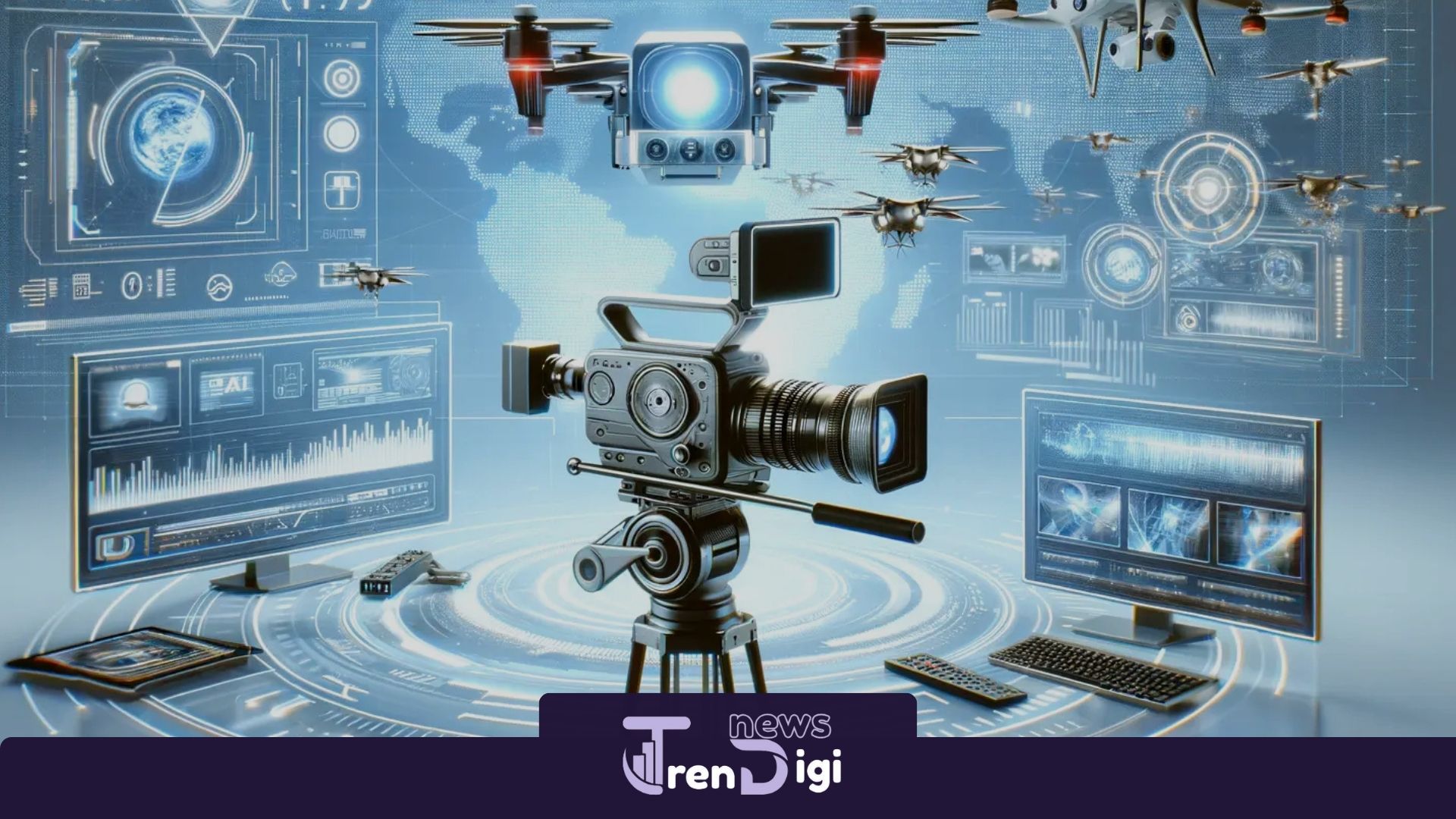
Video content dominates digital marketing, and AI tools simplify every stage of production. From scripting and storyboarding to editing and sound design, AI automates tedious tasks. Tools can convert scripts into full videos using stock footage, animations, or AI-generated characters. They also enhance videos with voiceovers, background music, and captions automatically. By analyzing engagement metrics, AI recommends edits that increase viewer retention. Creators can focus on creative direction rather than technical adjustments. AI reduces post-production time drastically, making high-quality video content accessible to solo creators and small teams.
AI Video Editing Features to Consider
Look for tools that offer smart cuts, automated scene detection, and motion tracking. Advanced AI can stabilize shaky footage, remove unwanted noise, and suggest pacing improvements. Some platforms allow interactive video creation, enhancing audience engagement. AI analytics provide insights into which parts of the video attract or lose attention, enabling continuous improvement.
4. AI for Social Media Management
AI tools for social media simplify posting, engagement, and analysis. They schedule content at optimal times, maximizing visibility and interaction. AI monitors audience behavior and trends to recommend topics, hashtags, and posting frequency. Sentiment analysis evaluates responses to content, helping creators refine strategies. Automation tools also reply to common comments or messages, improving audience engagement. By centralizing analytics, AI helps creators track performance across multiple platforms. This eliminates guesswork and increases the efficiency of social media campaigns.
Benefits of AI-Driven Social Media Tools
These tools provide content suggestions based on trending topics. They also detect audience preferences by analyzing likes, shares, and comments. Some AI platforms generate performance reports and predict future engagement trends. By combining automation with data-driven insights, creators achieve higher reach and better audience understanding.
5. Must-Have AI Tools for SEO Optimization
Search engine visibility determines content success, and AI SEO tools offer a significant advantage. They perform keyword research, competitor analysis, and on-page optimization recommendations. AI tools can suggest meta descriptions, title tags, and structured data improvements. They continuously track rankings and provide alerts for drops or opportunities. Predictive analytics help anticipate emerging trends, giving creators an early advantage. AI-powered optimization reduces trial-and-error strategies, improving traffic and engagement. With these tools, content creators achieve higher rankings while saving countless hours of manual SEO work.
Key Features of AI SEO Tools
Advanced AI SEO platforms include keyword clustering, content gap analysis, and internal linking suggestions. They also monitor backlink quality and detect technical SEO issues. Some tools use natural language processing to optimize content semantically for search engines. Integrating AI SEO with content planning ensures long-term visibility and sustained growth.
6. AI for Audio Enhancement
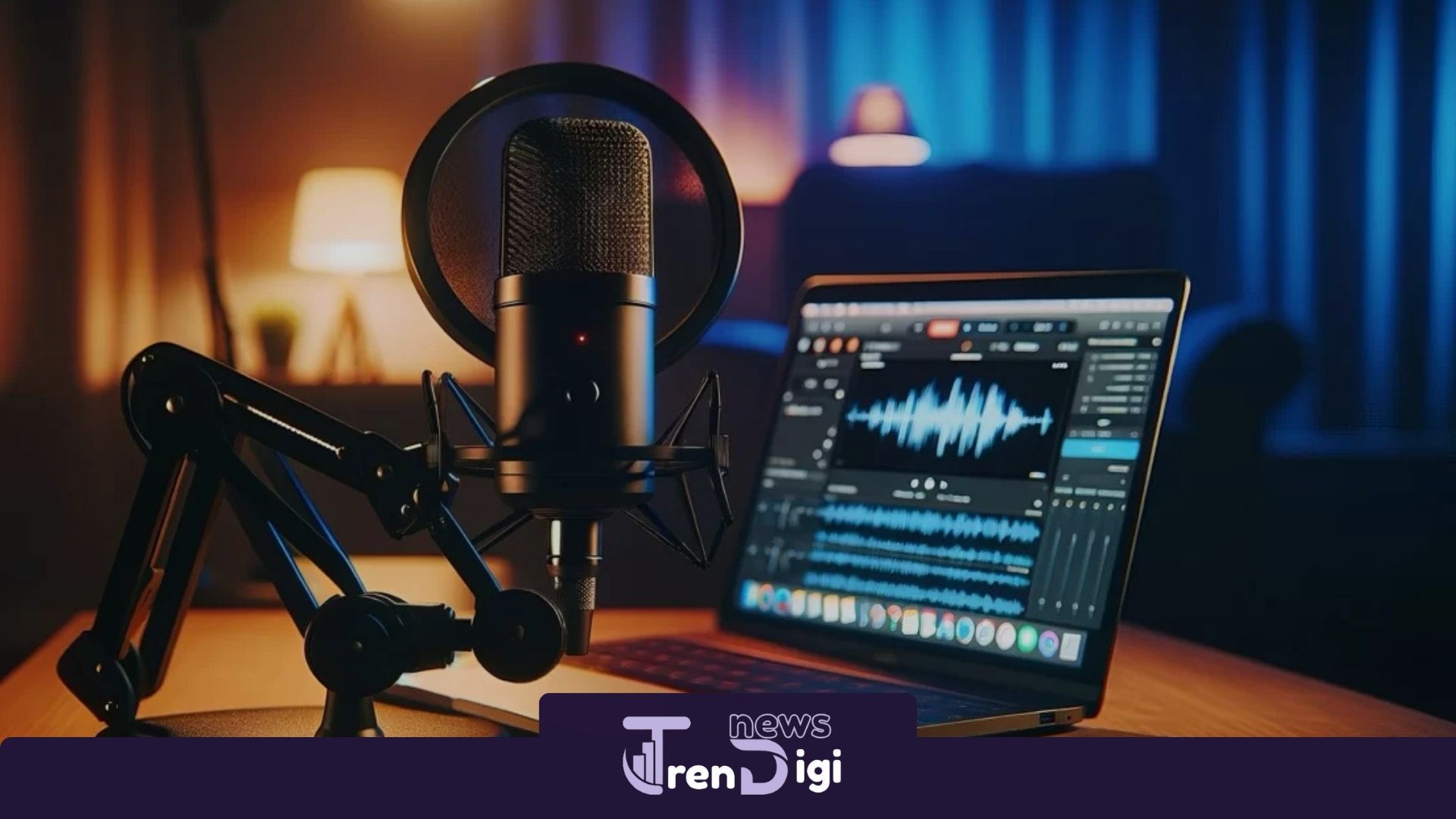
Podcasts, audiobooks, and video voiceovers require clear, professional audio. AI tools automatically reduce background noise, normalize volume, and improve speech clarity. Some platforms can generate voiceovers from text in multiple languages and accents. AI detects filler words, pauses, and pronunciation errors, suggesting improvements. Creators can produce professional-quality audio content without expensive studios or specialized equipment. These tools also offer real-time audio enhancement for live streaming. By leveraging AI, creators can focus on content delivery rather than technical audio adjustments, improving overall production quality.
Advantages of AI Audio Tools
AI audio tools speed up editing by automatically removing unwanted sounds. They also provide consistency across multiple recordings. Voice cloning and modulation features allow customization for branding purposes. Additionally, AI can analyze audience feedback on audio content, enabling creators to refine their style and tone.
7. AI Tools in 2026 for Content Ideation
Generating fresh content ideas consistently challenges creators, and AI tools streamline this process. These platforms analyze trends, audience interests, and competitor content to suggest topics with high engagement potential. They can propose blog titles, video concepts, and social media campaigns tailored to target demographics. AI also identifies content gaps that competitors have missed, giving creators an advantage. By reducing brainstorming time, these tools allow creators to focus on quality execution rather than idea generation. They also adapt suggestions based on past performance, improving the likelihood of viral success. Top AI Tools in 2026 That Are Replacing Human Jobs (Complete Usage Guide)
How AI Improves Brainstorming
AI tools collect insights from millions of data points, including search queries, social shares, and industry news. They also prioritize ideas based on predicted audience engagement, keyword relevance, and trending topics. This ensures creators focus on strategies that deliver measurable results, minimizing wasted effort.
8. AI for Analytics and Performance Tracking
Tracking content performance informs strategy, and AI analytics tools make this effortless. They monitor metrics such as views, engagement, retention, and conversion rates across multiple platforms. Predictive algorithms forecast audience behavior, suggesting which content formats perform best. AI dashboards present actionable insights, enabling creators to optimize future campaigns. Automated reporting saves hours of manual analysis, allowing faster decision-making. By using these tools, creators can adapt strategies in real-time, boosting content effectiveness. AI analytics also detect anomalies or sudden trends, helping creators respond quickly to opportunities or challenges.
Features to Prioritize in AI Analytics Tools
Look for tools with multi-platform integration, real-time monitoring, and predictive analytics. Some advanced platforms provide sentiment analysis and audience segmentation. Heatmaps and engagement graphs highlight which content elements drive attention. By combining qualitative and quantitative data, creators gain a holistic understanding of their content’s impact.
9. AI for Automation of Routine Tasks
Repetitive tasks consume time that could be spent on creative work. AI automation tools schedule posts, send emails, and manage workflows seamlessly. They can handle repetitive research, basic editing, and content repurposing across multiple channels. By automating these processes, creators free up mental bandwidth for innovative projects. Some tools integrate AI-powered reminders and notifications to ensure deadlines are met. AI also monitors content performance automatically, adjusting strategies without manual intervention. Overall, automation increases efficiency, reduces errors, and ensures consistent publishing schedules.
Real-World Applications of Automation Tools
Creators use AI automation to cross-post content on different platforms, generate email newsletters, and create dynamic social media updates. AI can even personalize content for segmented audiences, improving engagement. Integration with project management software streamlines collaboration, keeping teams aligned and productive.
10. AI for Collaboration and Team Management
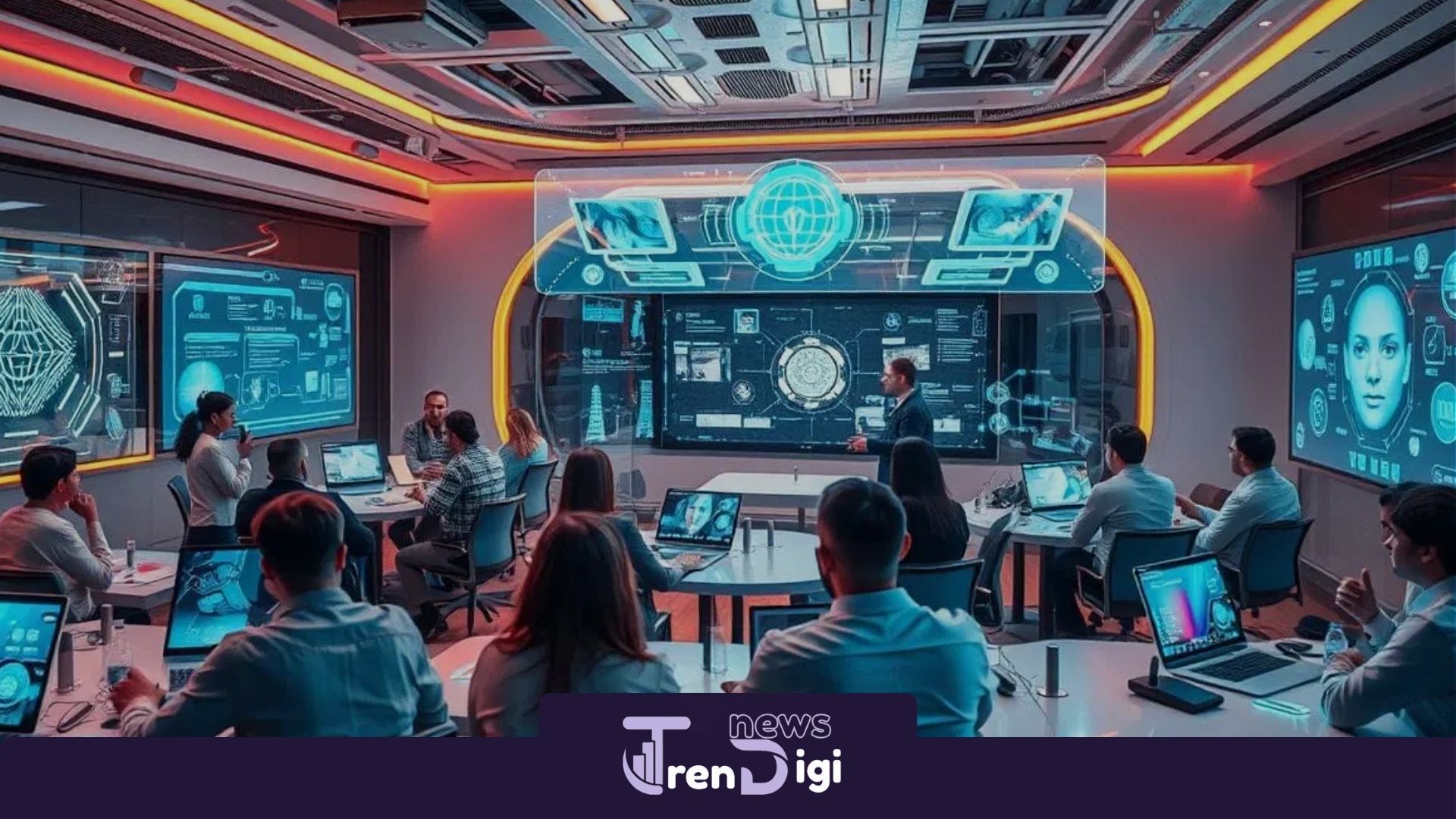
Content creation often involves multiple team members across different locations. AI collaboration tools centralize communication, task assignment, and document sharing. They provide real-time editing suggestions and version control, ensuring smooth workflows. AI can analyze project timelines and resource allocation, optimizing team productivity. Creators can also use AI-driven brainstorming boards to collect input and feedback efficiently. By simplifying coordination, these tools reduce miscommunication and ensure deadlines are consistently met. Teams benefit from AI insights on performance trends and individual contributions, fostering a culture of accountability and creativity. Best AI Tools Compared: Writing, Design, and Coding (Which One Wins?)
Benefits of AI Collaboration Tools
These platforms combine messaging, file sharing, and task management into one interface. Predictive scheduling suggests optimal meeting times and resource allocation. AI also highlights bottlenecks, enabling proactive problem-solving. By streamlining both creative and administrative processes, teams can focus more on generating impactful content.
How AI Tools Improve ROI
Using AI tools strategically increases return on investment in content creation. By automating routine tasks, optimizing SEO, and generating data-driven insights, creators maximize output while minimizing effort. AI tools help produce higher-quality visuals, videos, and written content, increasing engagement and conversions. Predictive analytics identify content with the highest potential impact, allowing creators to allocate resources wisely. This results in improved audience retention, higher click-through rates, and measurable growth. Additionally, AI reduces errors and inefficiencies, lowering production costs. In combination, these tools create a content ecosystem that continuously adapts, improving both reach and revenue.
Future Trends for AI Tools in 2026
The landscape of AI content tools continues evolving. Emerging platforms integrate multimodal capabilities, combining text, audio, and visual content creation. AI is expected to enhance personalization, generating content uniquely tailored to individual audience members. Predictive content suggestions will become more accurate, reducing trial-and-error strategies. Collaboration tools will leverage AI to simulate team workflows, optimizing efficiency and creativity. Ethical AI practices, including bias detection and data privacy, will become integral features. Staying updated with these trends ensures content creators remain competitive, adaptive, and relevant in an ever-changing digital world.
Conclusion: Why 10 Must-Have AI Tools Every Content Creator Should Use in 2026 Are Essential
In 2026, content creators cannot rely solely on human effort. 10 Must-Have AI Tools Every Content Creator Should Use in 2026 streamline writing, design, video production, SEO, social media, audio, analytics, ideation, automation, and collaboration. They save time, improve quality, and provide actionable insights. By incorporating these tools into workflows, creators achieve higher engagement, consistent output, and improved ROI. Ignoring AI tools risks falling behind competitors who leverage technology to amplify creativity. Embracing these tools ensures content remains fresh, optimized, and impactful, allowing creators to focus on strategy, storytelling, and innovation.