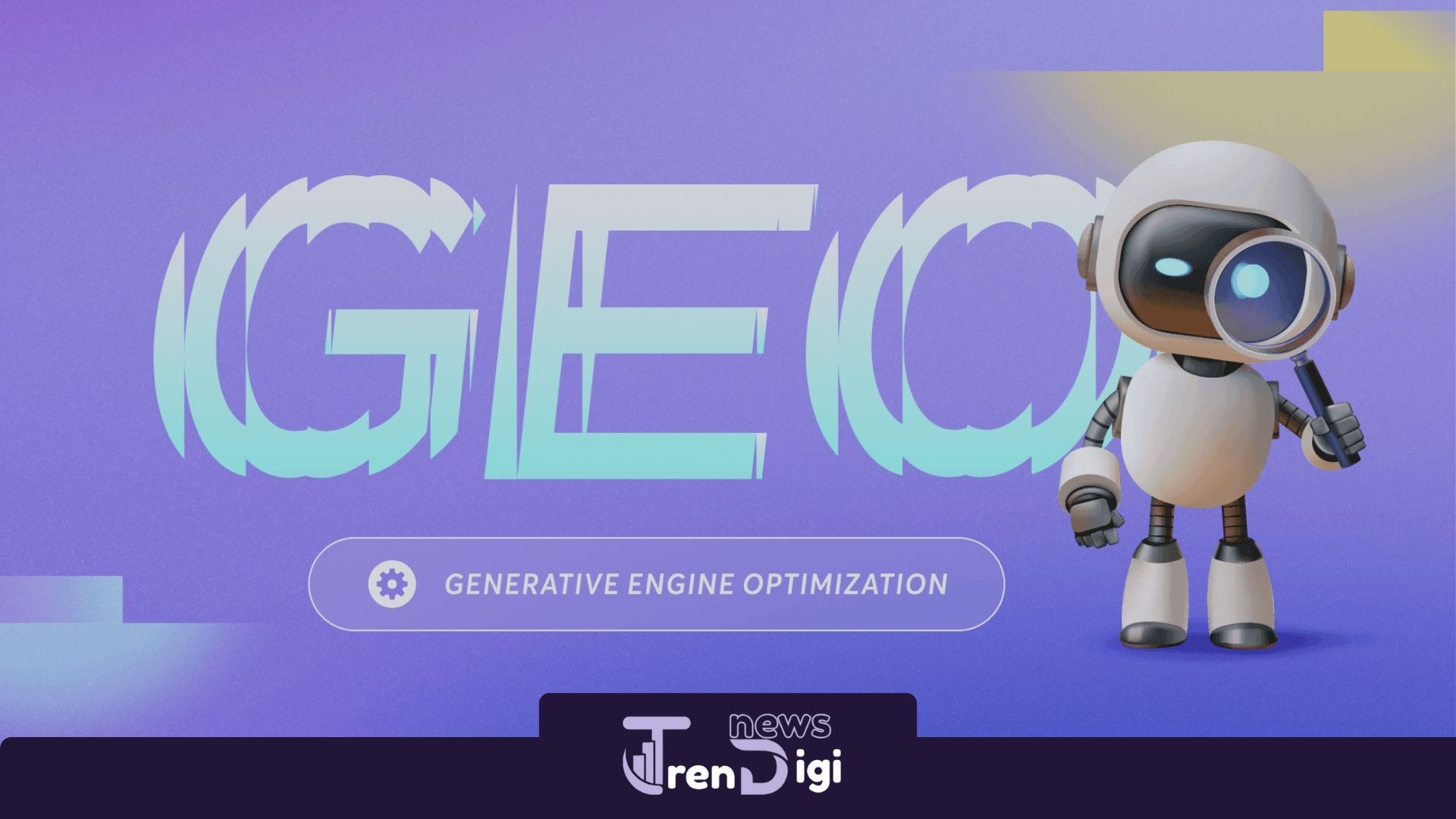
Generative Engine Optimization (GEO) and Its Impact on Digital Marketing Strategy Generative Engine Optimization (GEO) and Its Impact on Digital…
Read More »Digital Marketing & Social Media
Digital Marketing & Social Media
Discover how digital marketing and social media are transforming business strategies, shaping consumer behavior, and defining the future of brand communication.
Introduction: A New Era of Digital Communication
The rise of digital marketing and social media has completely reshaped how businesses connect with customers. Traditional advertising methods like billboards and TV spots are giving way to personalized, data-driven campaigns that reach users directly on their screens.
In today’s connected world, marketing is no longer about broadcasting a message — it’s about creating meaningful, two-way relationships between brands and audiences. Companies that master this digital conversation hold the power to shape perception, loyalty, and growth.
.
The Essence of Digital Marketing
Digital marketing encompasses all online efforts to promote products, services, and ideas through digital channels such as websites, search engines, email, and social media. Unlike traditional marketing, it enables precise targeting, measurable results, and real-time optimization.
Businesses can now understand exactly who their customers are, what they want, and how they behave. This level of insight allows brands to design campaigns that speak directly to the needs and emotions of their audiences. In the digital space, data is the foundation of every successful marketing strategy.
.
The Power of Social Media in Brand Building
Social media has become the heartbeat of modern communication. Platforms like Instagram, TikTok, LinkedIn, and X (formerly Twitter) offer businesses the opportunity to connect with audiences on a personal level.
Through storytelling, visuals, and community engagement, brands can build trust and authenticity — two of the most valuable currencies in the digital era.
Moreover, social media algorithms reward engagement and relevance, making it essential for companies to create content that sparks conversation. Whether it’s a viral video or an insightful LinkedIn post, authentic social presence translates directly into brand equity.
.
Content Marketing: The Art of Providing Value
In digital marketing, content is more than just words — it’s the vehicle for connection. High-quality, relevant content builds authority, trust, and long-term relationships.
From blogs and podcasts to videos and infographics, effective content marketing focuses on solving problems and adding value to the audience’s life.
The key lies in consistency and storytelling. Businesses that educate, entertain, and inspire through content naturally attract and retain customers. In the world of search engines and social feeds, valuable content is what turns strangers into loyal fans.
.
(SEO) Search Engine Optimization and Visibility
Search Engine Optimization (SEO) remains a cornerstone of digital marketing. By optimizing website structure, keywords, and user experience, businesses can appear prominently in search results when potential customers are looking for solutions.
Good SEO isn’t just about ranking higher on Google — it’s about being found by the right people at the right time. Combined with content marketing and link-building strategies, SEO ensures that every piece of digital content serves a strategic purpose.
A well-optimized online presence can generate long-term, organic traffic without constant ad spending.
.
Influencer Marketing and the Human Connection
about Influencer marketing has evolved into one of the most powerful forms of digital promotion. Consumers today trust people more than corporations, and influencers act as bridges between brands and audiences.
From micro-influencers to global celebrities, authentic voices help humanize marketing campaigns.
Successful influencer strategies focus on collaboration rather than sponsorship. When influencers genuinely believe in a product or brand, their message resonates more deeply. This trust-based relationship has turned influencer marketing into a multi-billion-dollar industry that shapes global trends.
.
Data Analytics: The Brain of Digital Strategy
Every digital interaction produces data — clicks, likes, purchases, and feedback. The ability to collect, interpret, and act on this information is what separates leading brands from the rest.
Analytics tools such as Google Analytics, HubSpot, and Meta Insights allow marketers to track performance and refine campaigns in real time.
Data-driven decision-making helps businesses understand which strategies drive conversions and which need improvement. In the digital world, intuition alone is not enough; insight and analysis are the true drivers of growth.
.
Social Media Advertising and Paid Campaigns
Paid social advertising allows brands to target specific demographics with unmatched precision. Platforms like Facebook Ads, TikTok Ads, and LinkedIn Campaign Manager offer tools to reach audiences based on interests, behaviors, and location.
When combined with organic content strategies, paid ads amplify brand visibility and accelerate growth. The most successful campaigns integrate creativity, emotion, and data analytics to deliver personalized messages that resonate across multiple platforms.
.
The Role of AI and Automation in Marketing
Artificial intelligence is revolutionizing how marketing campaigns are created and managed. From chatbots that handle customer service to AI tools that generate personalized ad copy, automation saves time and increases efficiency.
Machine learning algorithms can predict trends, segment audiences, and even suggest optimal posting times. As AI continues to advance, marketing will become increasingly predictive and personalized — allowing brands to deliver exactly what consumers need before they ask for it.
.
Challenges and Ethics in Digital Marketing
Despite its advantages, digital marketing comes with challenges such as data privacy concerns, misinformation, and content saturation. Consumers are becoming more aware of how their data is used, demanding transparency and ethical practices.
Brands must balance personalization with respect for privacy. Over-targeting or manipulative advertising can damage trust permanently. The future of marketing belongs to those who prioritize authenticity, integrity, and long-term relationships over short-term metrics.
.
Conclusion: Connecting Through Purpose and Authenticity
Digital marketing and social media have democratized communication. Every business — from a startup to a global brand — now has the tools to reach and inspire millions. But technology alone isn’t enough; success depends on genuine connection, creativity, and purpose.
In this new age of digital interaction, the most powerful marketing isn’t about selling — it’s about storytelling. Brands that use their voice to educate, entertain, and empower will not just thrive online, but also make a lasting impact in the hearts of their audiences.
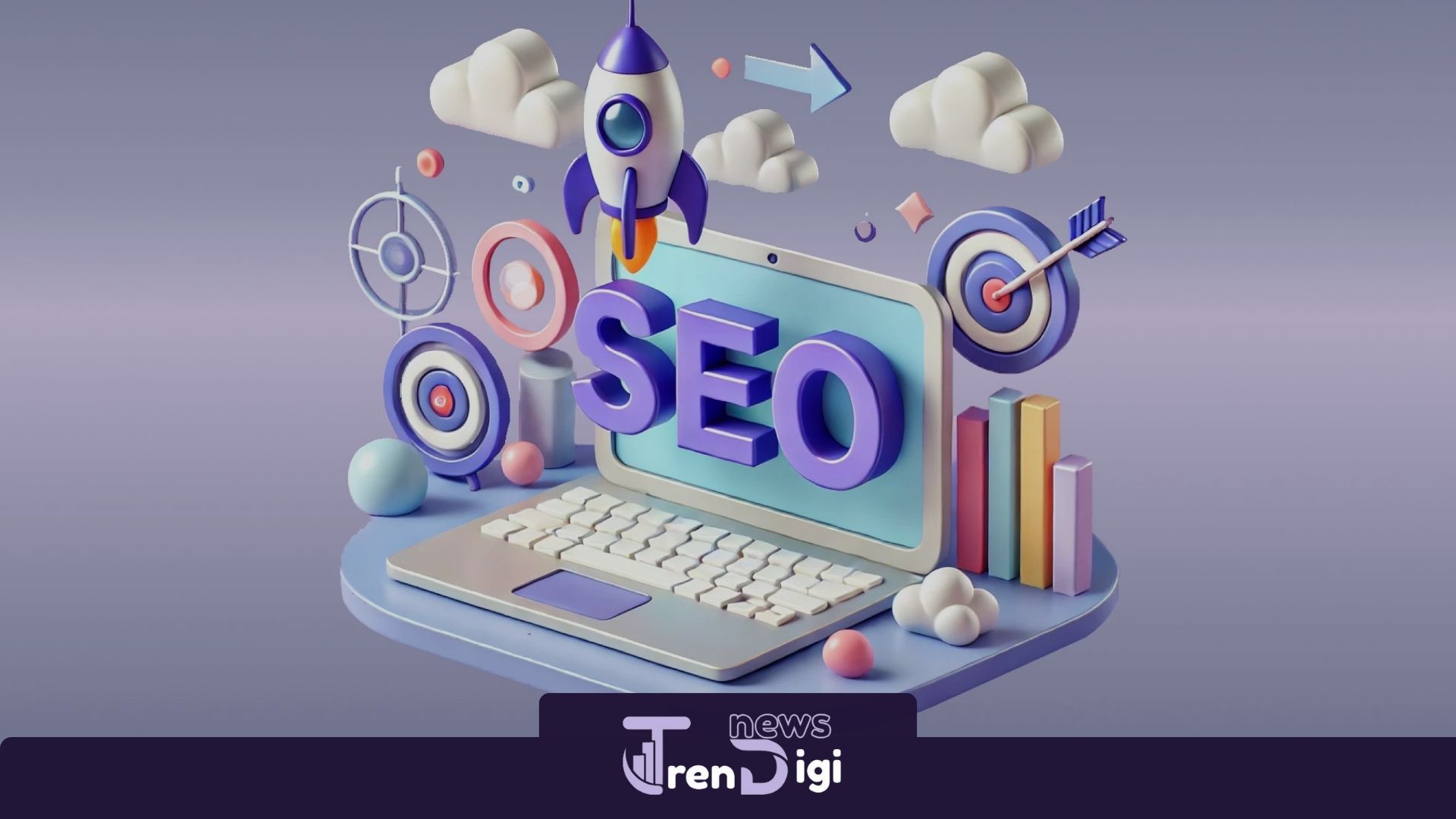
SEO Trends to Boost Your Website Traffic This Year In today’s digital landscape, understanding SEO Trends to Boost Your Website…
Read More »