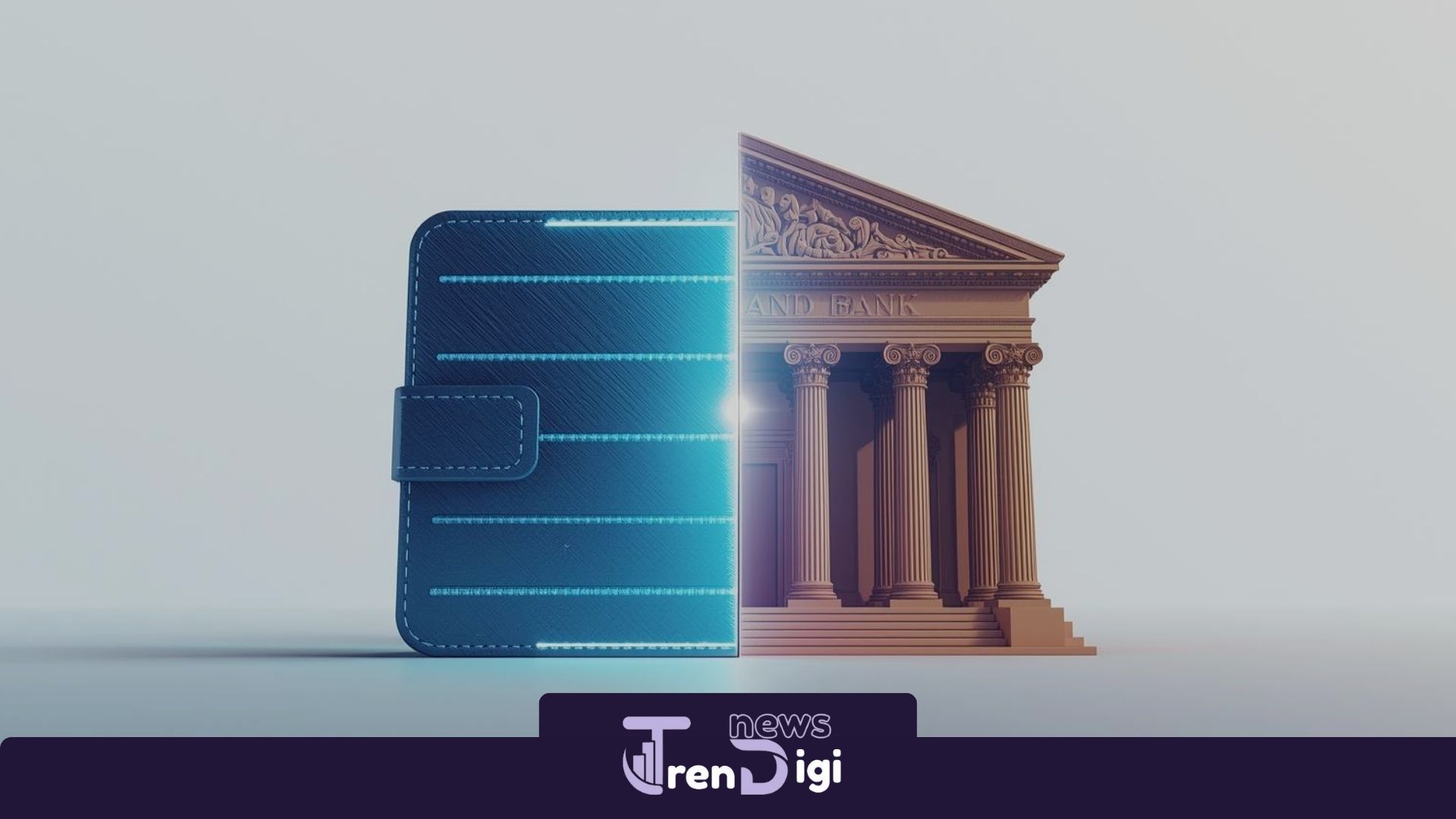
Digital Wallets vs Traditional Banking : Pros and Cons The financial landscape is evolving rapidly, and the debate on Digital…
Read More »FinTech & Digital Economy
FinTech & Digital Economy
Explore how FinTech innovations and the digital economy are reshaping global finance, empowering businesses, and driving inclusive economic growth.
Introduction: A Financial Revolution in the Digital Age
The intersection of technology and finance has created one of the most transformative movements in modern history — the rise of FinTech. What began as a collection of simple payment apps has evolved into a vast digital ecosystem that powers banking, investment, insurance, and global commerce.
In the broader context, FinTech fuels the digital economy — an interconnected system where data, algorithms, and innovation redefine how value is created and exchanged. This transformation isn’t just changing how we handle money; it’s redefining trust, access, and opportunity in the global marketplace.
.
Understanding FinTech and the Digital Economy
FinTech, short for “financial technology,” refers to the use of digital tools and innovation to enhance financial services. The digital economy, meanwhile, represents the integration of these technologies into every aspect of economic activity.
From mobile payments and peer-to-peer lending to blockchain and decentralized finance (DeFi), FinTech companies are revolutionizing how individuals and organizations interact with money. The digital economy thrives on speed, transparency, and accessibility — characteristics that traditional systems have long struggled to provide.
.
The Rise of Digital Payments
One of the most visible successes of FinTech is the explosion of digital payments. Mobile wallets, contactless cards, and QR-based systems have made cash almost obsolete in many parts of the world. Platforms like PayPal, Apple Pay, and Alipay enable instant, secure transactions with a single tap.
This convenience has also fostered financial inclusion, especially in developing regions where traditional banking infrastructure is limited. By offering digital alternatives, FinTech bridges the gap between the banked and unbanked populations, empowering millions to participate in the global economy.
.
Blockchain and the Future of Financial Transparency
about Blockchain technology has introduced a new paradigm of trust in the financial sector. By enabling decentralized, tamper-proof recordkeeping, blockchain eliminates the need for intermediaries while increasing transparency and security.
Cryptocurrencies such as Bitcoin and Ethereum demonstrate the power of this innovation, but the technology’s potential extends far beyond digital money. Smart contracts, decentralized finance platforms, and tokenized assets are building a financial infrastructure that operates without traditional barriers, creating a truly borderless digital economy.
.
Artificial Intelligence and Automation in Finance
and about this subject Artificial Intelligence (AI) has become a critical force in modern finance. Banks, insurance companies, and FinTech startups use AI to analyze massive datasets, detect fraud, and offer personalized financial advice.
Robo-advisors, for instance, use algorithms to create custom investment portfolios, while AI-driven chatbots provide 24/7 customer support. Automation also enhances back-end operations, reducing human error and operational costs. In the coming years, AI will make financial decision-making faster, smarter, and more predictive than ever before.
.
Digital Banking : Convenience Without Walls
banking has eliminated the need for physical branches, giving customers complete control over their finances through mobile apps and web portals. Neobanks — fully digital financial institutions — offer seamless experiences, lower fees, and user-centric services that traditional banks struggle to match.
This shift represents more than just technological adoption; it reflects a change in consumer expectations. People now value speed, transparency, and personalization above all. In response, financial institutions are reinventing themselves to stay competitive in the digital-first marketplace.
.
FinTech’s Role in Financial Inclusion
FinTech is a powerful tool for promoting global equality. Through mobile money platforms, microloans, and digital identification systems, billions of previously excluded individuals now have access to banking and credit services.
In regions like Africa and Southeast Asia, platforms such as M-Pesa have transformed lives by enabling small businesses to operate and grow. Digital finance empowers local economies, supports entrepreneurship, and encourages innovation, laying the foundation for inclusive economic growth.
.
The Impact of FinTech on Global Businesses
For businesses, FinTech offers efficiency, scalability, and insight. Digital invoicing, automated accounting, and real-time analytics allow companies to manage cash flow and make smarter financial decisions. Cross-border payments and blockchain-based transactions reduce friction in global trade.
FinTech also supports the gig economy and small enterprises by offering alternative lending options and flexible payment solutions. By lowering financial barriers, technology fuels entrepreneurship and global collaboration.
.
Challenges and Risks in the Digital Economy
Despite its promise, FinTech comes with challenges. Cybersecurity threats, regulatory uncertainty, and data privacy issues are major concerns. The rapid pace of innovation often outstrips existing laws, forcing governments and regulators to adapt.
There are also ethical questions surrounding algorithmic bias and the centralization of data. As the digital economy expands, balancing innovation with regulation and ethical responsibility will be critical to building trust and stability in financial systems worldwide.
.
The Future of FinTech and the Digital Economy
next decade of FinTech will be defined by convergence — the blending of AI, blockchain, IoT, and 5G technologies into integrated financial ecosystems. These systems will enable real-time payments, predictive financial management, and even self-executing smart contracts that eliminate manual processes entirely.
Sustainability and digital ethics will also shape the future. Green finance initiatives, carbon tracking, and socially responsible investments will become central to the digital economy’s evolution. As technology continues to advance, finance will become more inclusive, transparent, and sustainable than ever before.
.
Conclusion: Empowering the Future of Global Finance
FinTech and the digital economy represent more than innovation — they embody a new vision for how humanity exchanges value and opportunity. By combining technology, creativity, and inclusivity, FinTech has opened doors that were once closed to millions.
The financial systems of the future will be borderless, data-driven, and accessible to all. Businesses, individuals, and governments that embrace this transformation will not only survive but lead the next era of global economic growth. The digital economy isn’t coming — it’s already here, shaping the way we live, trade, and thrive.
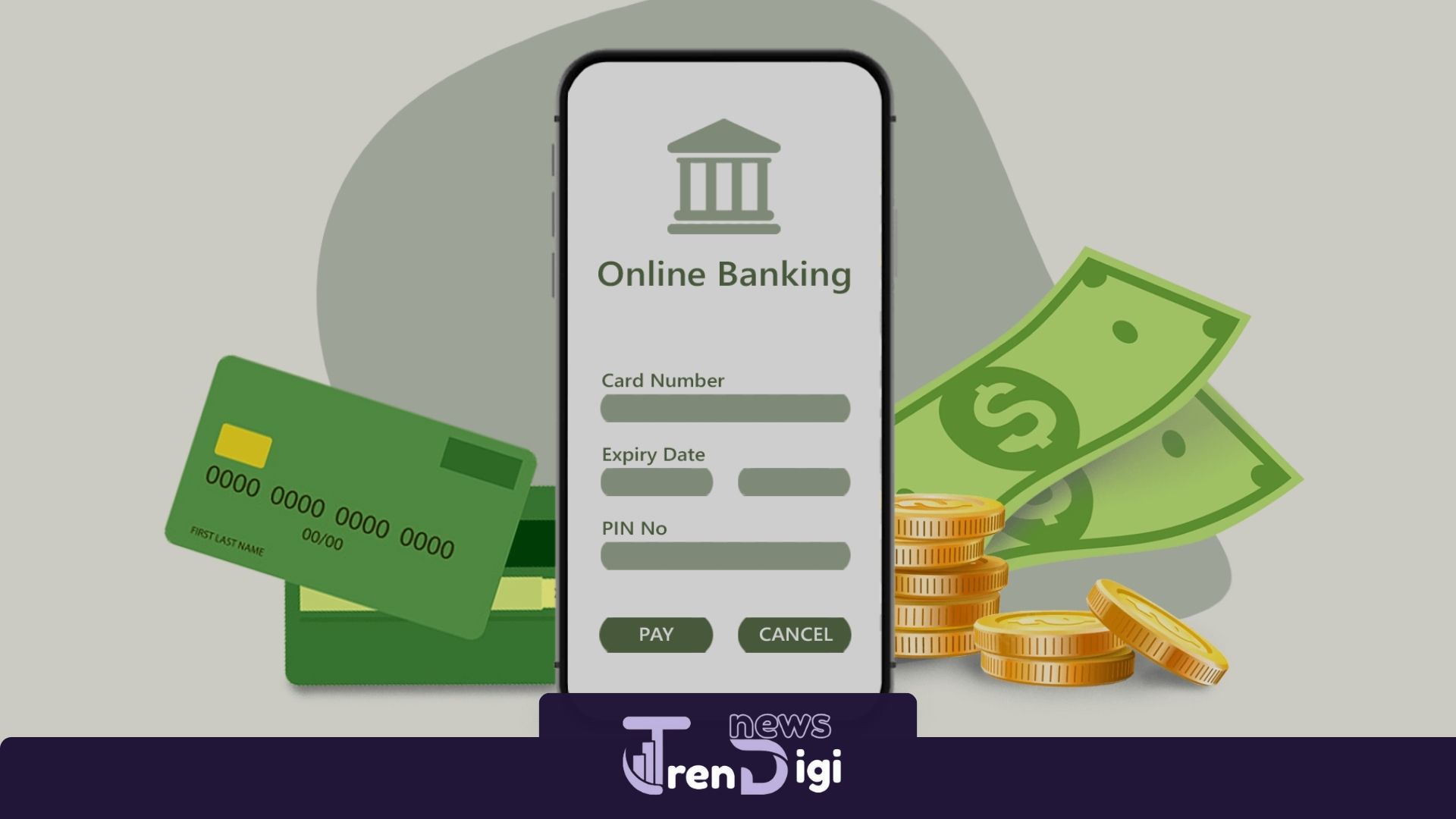
Top Mobile Banking Apps Changing How We Handle Money The way people manage money has transformed rapidly in the last…
Read More »