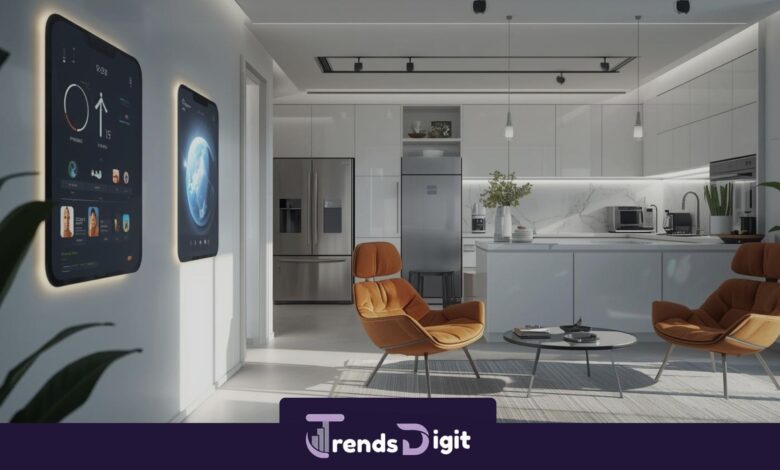
Smart Home Devices You Can’t Live Without in 2025 In 2025, the phrase “Smart Home Devices You Can’t Live Without…
Read More »Gadgets & Devices
Gadgets & Devices
Discover how the latest gadgets and devices are transforming the way we live, work, and connect — from wearable tech to smart homes and next-gen smartphones.
Introduction: The Age of Smart Everything
In today’s fast-paced digital world, gadgets and devices have become extensions of human life. From the moment we wake up to the moment we go to sleep, technology surrounds us — tracking our health, controlling our homes, and keeping us connected.
The evolution of gadgets has gone far beyond convenience; it’s about creating smarter, more efficient, and more sustainable lifestyles. The world of gadgets and devices is no longer just about what’s new — it’s about what’s next.
.
The Rise of Smart Devices
Smart devices have revolutionized how humans interact with technology. The rise of the Internet of Things (IoT) means that nearly everything — from refrigerators to light bulbs — can connect to the internet.
Devices can now communicate with each other, collect real-time data, and adapt to user behavior. Smart thermostats learn your temperature preferences, while voice assistants manage your schedule. This interconnected ecosystem is making homes, workplaces, and cities more intelligent and efficient.
.
Smartphones: The Core of Digital Life
The smartphone remains the heart of modern technology. What began as a simple communication tool has evolved into an all-in-one digital hub.
Modern smartphones now feature:
-
High-resolution cameras powered by AI image processing
-
Foldable or flexible displays
-
Satellite connectivity for remote communication
-
Integration with wearable devices
-
Enhanced privacy and security features
Manufacturers like Apple, Samsung, and Google continue to compete for innovation supremacy. The future may bring fully holographic displays, energy-harvesting batteries, and even neural interfaces that let us control phones with thought alone.
.
Wearable Technology : Health, Fitness, and Beyond
about Wearable technology has transformed personal health and lifestyle management. Smartwatches, fitness trackers, and even smart rings are monitoring everything from heart rate and sleep cycles to stress levels and oxygen saturation.
These gadgets don’t just collect data — they interpret it. AI-driven apps can now detect irregular heart rhythms, encourage activity, or even alert emergency services in case of anomalies.
Wearables are also expanding into fashion and professional environments. Smart glasses, augmented reality headsets, and gesture-controlled devices are blurring the line between the digital and physical worlds.
.
Home Automation: Living in the Smart Home Era
The concept of a smart home has moved from luxury to necessity. Home automation systems now control lighting, climate, entertainment, and security — all through voice commands or mobile apps.
Key innovations include:
-
Smart thermostats like Nest and Ecobee
-
AI security cameras with facial recognition
-
Smart lighting that adapts to circadian rhythms
-
Connected appliances that optimize energy usage
The next wave of home devices will likely focus on sustainability — reducing waste, conserving energy, and integrating renewable power sources.
.
Gadgets for Productivity and Remote Work
The pandemic accelerated the need for remote work tools, and gadgets quickly adapted. High-quality webcams, noise-canceling headphones, and ergonomic accessories became essential for productivity.
Laptops and tablets have become more powerful yet portable, often incorporating AI features for smarter performance. For example, some laptops adjust brightness and battery usage based on user habits, while digital pens make note-taking seamless and interactive.
These innovations blur the boundary between home and office, enabling flexible, hybrid work lifestyles.
.
Entertainment Devices: Redefining Leisure
From immersive VR headsets to next-generation gaming consoles, entertainment devices are transforming leisure time. Streaming sticks and smart TVs bring cinematic experiences into living rooms, while spatial audio and haptic feedback enhance immersion.
Virtual and augmented reality gadgets are opening new possibilities for gaming, education, and travel — allowing users to explore new worlds without leaving their homes. As graphics, processing power, and AI integration improve, the entertainment experience becomes more personal and interactive than ever.
.
Sustainability in Gadgets: The Green Tech Movement
As consumers become more eco-conscious, sustainability is shaping the future of gadget design. Tech companies are now focusing on recycled materials, energy efficiency, and longer product lifespans.
Brands like Fairphone and Framework are leading the modular device movement, encouraging users to repair rather than replace. Solar-powered wearables and biodegradable components are emerging trends that combine innovation with environmental responsibility.
Sustainable gadgets aren’t just good for the planet — they represent a shift in consumer values and corporate accountability.
.
Security and Privacy: The Hidden Challenge
With every connected device comes a new security challenge. Smart home systems, wearable gadgets, and even connected cars collect sensitive data. Protecting this data from breaches or misuse is critical.
Manufacturers are now integrating biometric authentication, end-to-end encryption, and local data storage to safeguard user privacy. Meanwhile, tech news and regulations push companies toward transparency and accountability in data handling.
Staying informed about privacy settings, software updates, and network security is just as important as buying the latest gadget.
.
The Future of Gadgets: Beyond Imagination
Tomorrow’s gadgets will be more intuitive, adaptive, and possibly even emotional. With the integration of AI, augmented reality (AR), and quantum computing, devices will predict user needs, understand emotions, and offer personalized solutions in real time.
Emerging concepts include:
-
Brain-computer interfaces (BCI) for direct neural communication
-
Self-healing materials for durability
-
Holographic displays for immersive communication
-
Nanotech wearables for health monitoring at the cellular level
The boundary between human and machine will continue to fade — not in a dystopian sense, but as a collaborative evolution of intelligence and experience.
.
Conclusion: Connected Living for a Smarter Tomorrow
Gadgets and devices define the rhythm of modern life. They empower us to be healthier, more productive, and more connected. From smart homes to wearable health trackers, technology is not just a tool — it’s a lifestyle.
As innovation accelerates, the focus must remain on sustainability, security, and inclusivity. The ultimate goal isn’t just to create smarter devices, but to build a smarter world — one where technology serves humanity with intelligence, empathy, and purpose.
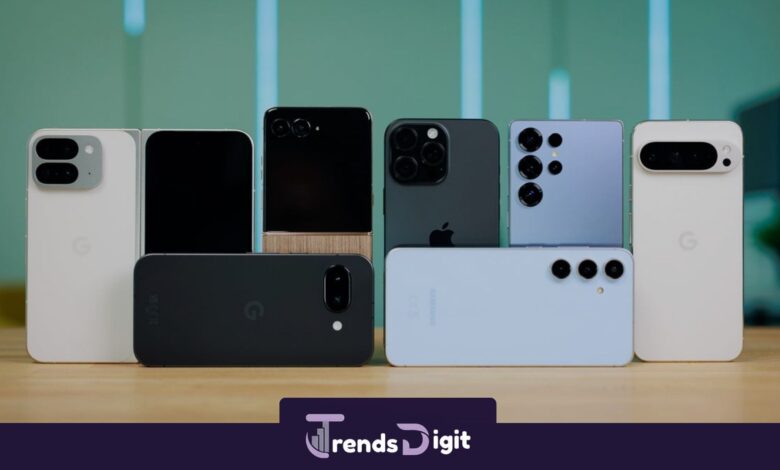
The Best Smartphones of 2025: Features That Are Worth Buying As we approach the end of 2025, the smartphone market…
Read More »