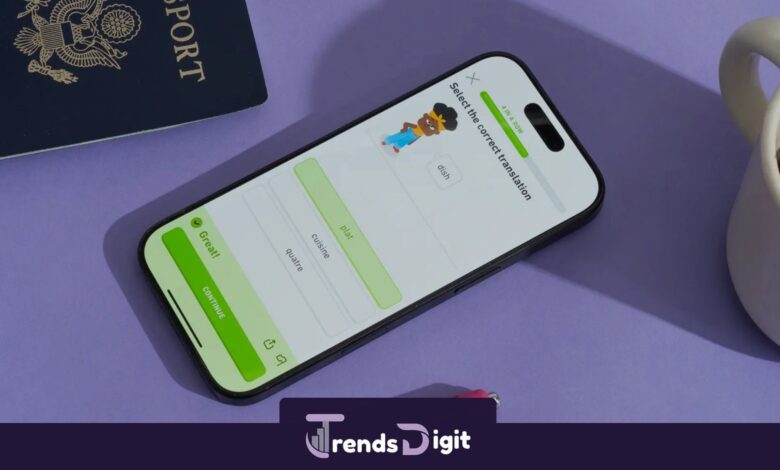
Audiobook and Language Learning Apps for Trips Traveling presents a unique opportunity to combine entertainment and self-improvement. Audiobook and language…
Read More »Software & Apps
Software & Apps
Explore how software and apps are transforming productivity, communication, entertainment, and business in the digital era.
Introduction: The Backbone of Modern Technology
In today’s digital-first world, software and apps are the backbone of virtually every activity. From managing finances and collaborating remotely to entertainment and healthcare, software drives functionality and innovation. Without apps and software platforms, devices like smartphones, tablets, and computers would remain limited tools rather than powerful enablers.
The software ecosystem is vast, diverse, and constantly evolving, playing a critical role in shaping modern life, business strategies, and the global economy.
.
The Evolution of Software and Apps
Software development has undergone a dramatic transformation over the past few decades. Early programs were limited in scope, functionality, and accessibility. Today, software is cloud-based, AI-driven, and mobile-first, allowing users to work, learn, and play from anywhere in the world.
Key milestones in software evolution include:
-
Desktop Applications: Early productivity tools like Microsoft Office.
-
Web Applications: Browser-based tools eliminating the need for local installations.
-
Mobile Apps: Smartphones and tablets opened a new era of convenience.
-
AI-Powered Software: Automates decision-making and enhances user experience.
This evolution highlights the increasing importance of software as both a service and a solution in daily life.
.
Productivity Software: Transforming the Workplace
One of the most impactful areas of software innovation is productivity tools. Applications like Slack, Microsoft Teams, Notion, and Asana enable remote collaboration, project management, and real-time communication.
Cloud computing allows teams to access files, applications, and data from anywhere, bridging geographical barriers. AI-powered features, such as automated scheduling, smart suggestions, and workflow optimization, streamline tasks and reduce human error.
As hybrid work becomes the norm, productivity software will continue to redefine how organizations operate and how individuals manage their time.
.
Entertainment Apps: Redefining Leisure and Media
The entertainment industry has been revolutionized by streaming services, gaming platforms, and multimedia apps. Netflix, Spotify, YouTube, and TikTok deliver personalized experiences, leveraging AI algorithms to recommend content tailored to individual preferences.
Gaming software and apps have also reached new heights with cloud gaming, augmented reality (AR), and virtual reality (VR). Users can immerse themselves in interactive worlds without the need for expensive hardware, making entertainment more accessible and engaging than ever.
.
Educational and E-Learning Apps
about Education has been transformed by digital tools and apps. Platforms like Duolingo, Coursera, Khan Academy, and edX provide flexible, self-paced learning opportunities.
AI-driven software can now:
-
Tailor lessons to individual learning speeds
-
Monitor progress and provide feedback
-
Recommend additional resources for mastery
Educational apps not only enhance access to knowledge but also support lifelong learning, skill development, and professional growth.
.
Healthcare Software : Smarter, Personalized Care
for Healthcare apps and software platforms are revolutionizing how medical services are delivered. Telemedicine, electronic health records (EHR), AI diagnostics, and wearable device integrations are making healthcare more accessible, efficient, and personalized.
Patients can now track their health metrics, schedule appointments online, and even receive AI-based medical recommendations. Doctors can leverage data analytics to identify trends, predict risks, and optimize treatment plans. Software in healthcare is no longer a luxury — it’s a necessity for better outcomes.
.
Business Applications: Streamlining Operations
about Businesses rely heavily on software to improve efficiency, reduce costs, and gain competitive advantages. Enterprise Resource Planning (ERP) systems, Customer Relationship Management (CRM) tools, and analytics platforms help organizations manage complex operations seamlessly.
AI-driven business software analyzes data in real time, providing actionable insights for decision-making. Automation reduces repetitive tasks, while integration across platforms ensures smooth workflow and collaboration. For startups and enterprises alike, software and apps are essential for growth and scalability.
.
The Rise of AI in Software
Artificial intelligence is transforming software development and functionality. AI can now:
-
Automate code generation and debugging
-
Provide predictive analytics for business strategy
-
Enable personalized user experiences in apps
-
Enhance cybersecurity by detecting threats proactively
AI integration in software makes applications smarter, more intuitive, and more capable of meeting user needs without manual intervention.
.
Security and Privacy in the Software Era
As software collects and manages vast amounts of data, security and privacy have become critical concerns. Developers must implement robust encryption, authentication, and compliance measures to protect sensitive information.
Regulations such as GDPR and CCPA have heightened accountability, requiring software providers to prioritize data security and user consent. Staying informed about updates, patches, and best practices is crucial for both individuals and organizations using modern applications.
.
Future of Software and Apps
The future of software and apps promises even more innovation and integration with daily life. Emerging trends include:
-
No-Code/Low-Code Platforms: Empowering non-developers to create custom apps.
-
AI-Driven Automation: Predicting user behavior and automating tasks intelligently.
-
Cross-Platform Experiences: Seamless transition between devices and ecosystems.
-
Augmented and Virtual Reality Integration: Expanding interactive possibilities in work, education, and entertainment.
As software continues to evolve, its role in shaping human experiences, productivity, and creativity will only expand.
.
Conclusion: Software as a Catalyst for Change
Software and apps are no longer just tools — they are catalysts for transformation across industries and lifestyles. From productivity and education to healthcare and entertainment, software defines the modern human experience.
Understanding, adopting, and leveraging software effectively is essential for individuals, businesses, and society as a whole. As we move further into the digital age, the apps and platforms we use today will shape the possibilities of tomorrow.
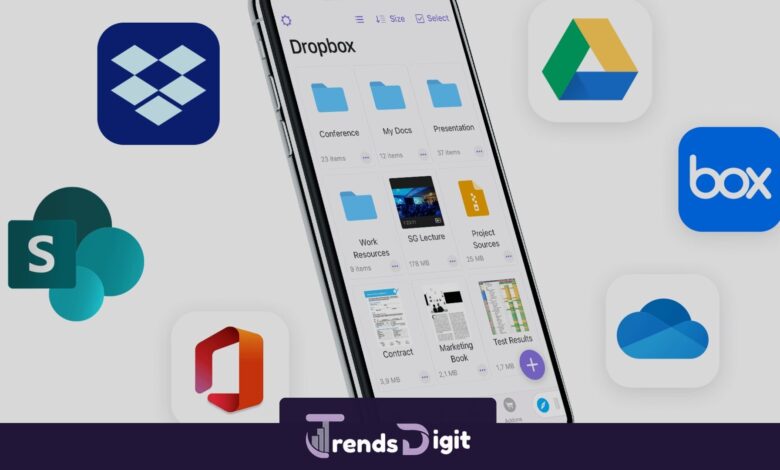
Top 7 Productivity Apps for Remote Workers The phrase “Top 7 Productivity Apps for Remote Workers” perfectly summarizes the goal…
Read More »